Madhu and Malati grow up in a wealthy family and share a close bond. But when Madhu loses everything, he discovers that wealth can change how people see you. This story by Sane Guruji explores the difference between genuine affection and affection tied to status and money. Told simply, it leaves us with an uncomfortable but familiar question: how do we treat someone when they have nothing left to offer us? In this episode of Stories by Sane Guruji, we bring this Marathi tale to a new generation of listeners through the spoken word.
मराठी सारांश: मधू आणि मालती हे भाऊ-बहीण लहानपणापासून एकमेकांच्या जवळचे असतात. मात्र परिस्थिती बदलते आणि मधूची सर्व संपत्ती नष्ट होते. गरिबीच्या काळात बहिणीच्या घरातून मिळालेली वागणूक त्याला माणसाची किंमत संपत्तीवर ठरवण्याची कटू जाणीव करून देते. पुढे परिस्थिती बदलल्यानंतर मधू पुन्हा मालतीला भेटतो आणि तिला तिची चूक जाणवून देतो. संपत्ती येते-जाते, पण माणुसकी आणि नाती यांची खरी किंमत वेगळी असते, हा या कथेचा साधा पण महत्त्वाचा संदेश आहे.
Listen to this story by clicking below
Madhu and his sister Malti grow up in luxury. Malti marries a wealthy merchant and moves away. Their parents pass away, leaving Madhu in charge. Madhu trusts unscrupulous business partners, loses everything, falls into extreme poverty, and contemplates approaching his wealthy sister for help despite his wounded pride. It begins with two siblings who grow up in comfort. Madhu and Malati are close to each other, and their family has more than enough money. Life seems settled. But, as the story reminds us, circumstances can change rather quickly.
After their parents die, Madhu takes responsibility for the family business. He is kind-hearted, but he is also too trusting. A series of bad decisions and dishonest business partners eventually cost him almost everything he owns. The change in his circumstances is stark. A man who once lived comfortably and entertained hundreds of people now has to ask others for food. The story spends some time on this transformation, and that is important because Madhu’s real test begins only after his money is gone.
He thinks of his sister Malati. She is wealthy, married into an affluent family and lives in a large house. Madhu struggles with the idea of approaching her as a poor man. Eventually, he decides that the bond between a brother and sister should be stronger than money or social position.
Madhu walks for days to reach Malati’s home. When he finally sees his sister, he is relieved. After everything that has happened to him, seeing a familiar face must feel like coming home. But Malati does not come down to meet him. Instead, Madhu is treated as a beggar. The guard at the gate is told not to entertain people like him. Eventually, he is taken to the stables and given some stale bhakri to eat. For Madhu, the bhakri becomes more than food. It becomes a symbol of the way his sister now sees him. He cannot bring himself to eat it. He buries it in the stable and walks away.
What happens next is almost the reverse of everything that came before. Madhu reaches another kingdom and finds work. His intelligence and experience help the king resolve a difficult problem, and he eventually becomes the kingdom’s chief minister. With his position comes wealth and respect. Madhu is no longer the man who arrived at his sister’s door with nothing. He now has an entourage, servants, horses, elephants and gifts.
And this time, when he arrives at Malati’s home, he is welcomed. Malati is delighted to receive her brother. A grand feast is organised in his honour, with the important people of the town invited to celebrate his arrival. But during the feast, Madhu gets up and walks towards the stables.
He finds the place where he had buried the stale bhakri years earlier and brings it back. When everyone is surprised by his behaviour, he explains why he has done it. He tells Malati, in effect, that the feast is not really being offered to him. It is being offered to the wealth, status and respect that now surround him. When he had arrived with nothing, she had treated him as a beggar. Now that he is prosperous again, she is happy to welcome him.
It is a simple confrontation, but it gives the story its emotional centre.
मधू व मालती
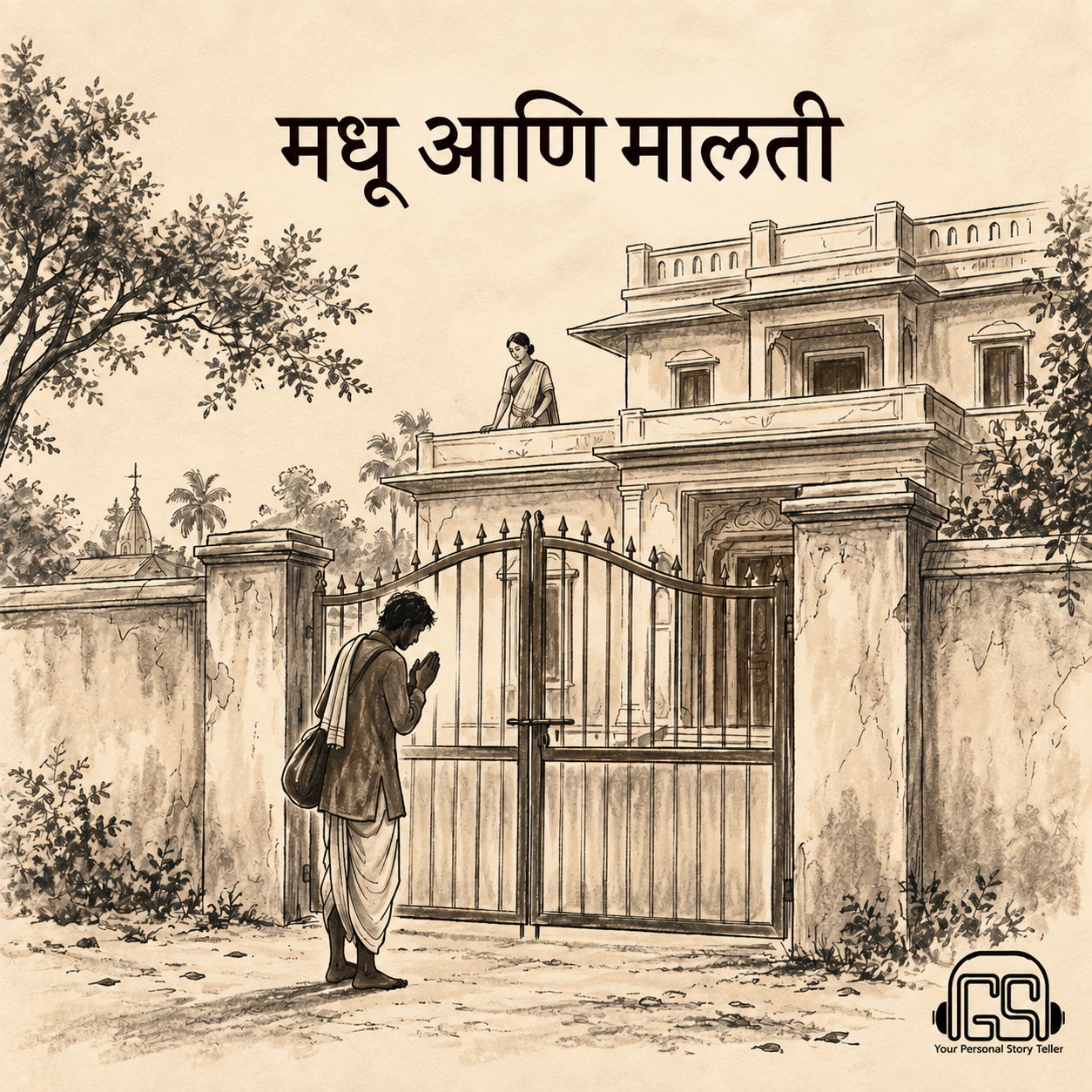
मधू व मालती दोघे बहीणभाऊ. त्यांचे एकमेकांवर फार प्रेम. घरात अलोट संपत्ती होती. कशाची वाण नव्हती. आईबाप मधू-मालतीचे सारे लाड पुरवीत. मधू घोड्यावर बसायला शिके. त्याचा एक छानदार घोडा होता. मालतीचे लग्न झाले. एका जहागीरदाराच्या घरी तिला देण्यात आले. माहेरच्यापेक्षाही मालतीचे सासर श्रीमंत होते. मधूही आता मोठा झाला होता. त्याचे अद्याप लग्न झाले नव्हते.
परंतु एकाएकी त्याचे वडील वारले. वडील वारले व थोड्या दिवसांनी आई पण वारली. मधू एकटा राहिला. मालती चार दिवस माहेरी आली होती. परंतु पुन्हा सासरी गेली. सारा कारभार मधूच्या अंगावर पडला. परंतु त्याला अनेकांनी फसविले. एकदा त्याने मोठा व्यापार केला, परंतु त्यात तो बुडाला. मधू भिकारी झाला. त्याची शेतीवाडी जप्त झाली. घरादारांचा लिलाव झाला.
सुखात वाढलेला मधू, त्याला वाईट दिवस आले. ज्याच्याकडे शेकडो लोक जेवत त्याला अन्न मिळेना. जो गाद्यागिर्द्यावर झोपायचा, त्याला रस्त्यावर निजावे लागे. ज्या मधूला हजारो लोक पूर्वी हात जोडत, तोच आज सर्वांसमोर हात पसरीत होता.
मधूला वाटले आपल्या बहिणीकडे जावे. प्रथम बहिणीकडे जाण्याला तो धजत नव्हता. तो स्वाभिमानी होता. “श्रीमंत बहिणीकडे भिकाऱ्यासारखे कसे जावयाचे? जिच्याकडे पूर्वी हत्तीघोड्यांवरुन गेलो, तिच्याकडे पायी कसे जावयाचे? जरीच्या पोषाखाने पूर्वी गेलो, तेथे फाटक्या चिध्यांनी कसे जावयाचे?” परंतु मधू मनात म्हणाला, “प्रेमाला पैशाअडक्याची पर्वा नाही, हिरेमाणकांची जरुर नाही. माझी बहीण का मला दूर लोटील? छे, शक्य नाही.”
मधू बहिणीकडे आला, दारात उभा राहिला. वरुन गच्चीतून बहीण बघत होती. मधूने वर पाहिले, परंतु बहीण आत निघून गेली. मधूला वाटले बहीण खाली भेटायला येत असेल. परंतु कोणी आले नाही. दरवाज्यावरील भय्याने विचारले, “कोण रे तू? येथे का उभा चोरासारखा? निघ येथून.”
मधू म्हणाला, “माझ्या बहिणीचा हा वाडा आहे. तिला आत सांगा, जा.” नोकर हसला. परंतु घरात जाऊन परत आला. तो मधूला म्हणाला, “चला तिकडे गोठ्यात, तेथे तुम्हाला भाकरी आणून देतो. ती खा व जा.”
मधूने विचारले, “बहिणीने काय सांगितले?” नोकर म्हणाला, “बाईसाहेब म्हणाल्या, असेल कोणी भिकारी. बसवा गोठ्यात, द्या शिळी भाकरी.”
मधू गोठ्यात गेला. त्याच्या डोळ्यांतून पाणी आले. त्याला कोरडी भाकर देण्यात आली. मधूने तेथे एक खळगा खणला व त्यात ती भाकर पुरली. पाणीही न पिता तो तेथून निघून गेला.
मधू दूर देशी गेला. तेथील राजाच्या पदरी तो नोकर राहिला. एकदा फार कठीण प्रसंग आला असता त्याच्या सल्ल्याने राजा वाचला. राजाने त्याला मुख्य प्रधान केले. मधूच्या सांगण्याप्रमाणे राजा वागे. नव्या प्रधानाची वाहवा होऊ लागली. मधूने आता विवाहही केला. तो मोठ्या बंगल्यात राहू लागला.
आपल्या बहिणीला भेटावे असे मधूच्या मनात आले. पत्नीसह तो निघाला. बरोबर हत्ती होते. घोडे होते. थाटामाटाने निघाला. पुढे जासूद बहिणीला कळविण्यासाठी गेले. बहीण एकदम उठली. ती आपल्या पतीसह सामोरी गेली. चौघडे वाजत होते, शिंगे फुंकली जात होती. थाटामाटाने भाऊ बहिणीच्या घरी आला.
दुसऱ्या दिवशी मोठी मेजवानी होती. गावातील मोठमोठ्यांना आमंत्रणे होती. चंदनाचे पाट होते. चांदीची ताटे होती. मोठा थाट होता. पंचपक्वान्ने होती. सारी मंडळी पाटावर बसली. आता जेवायला बसावयाचे. इतक्यात भाऊ एकाएकी उठला. सारे चकित झाले. “काय पाहिजे, काय हवे?” सारे विचारु लागले. परंतु मधू एकदम गोठ्यात गेला. तेथील ती जुनी मातीसारखी झालेली भाकर त्याने खणून काढली.
मालती मधूला म्हणाली, “भाऊराया, हे काय वेड्यासारखे करतोस?” मधू म्हणाला, “ताई, तुझ्या भावाला बसायला गोठा व खायला शिळी भाकर हेच योग्य. हा आजचा थाटमाट भावासाठी नाही. हा सारा मान भावाच्या श्रीमंतीचा आहे. हे पैशाचे प्रेम आहे.”
मालतीच्या डोळ्यांत पाणी आले. ती मधूच्या पाया पडून म्हणाली, “भाऊ चुकले मी. तू बहिणीला क्षमा नाही करणार? पुन्हा उतणार नाही, मातणार नाही. प्रेमाला विसरणार नाही. भाऊ, क्षमा कर. घरात चल.” मधूने मालतीचे डोळे पुसले. पुन्हा कधी मालतीने कोणाला तुच्छ मानले नाही.
निष्कर्ष
बाहेरची संपत्ती, ती आज आहे उद्या नाही. खरी संपत्ती हृदयाची. ती कधी गमावू नये असे ती साऱ्यांना आता सांगते. मधू व मालती दोघे बहीणभावंडे सुखी झाली तशी आपण सारी होऊ.
What I took away from Madhu and Malati
As a storyteller, I find the simplicity of this story more interesting than its moral. We are all familiar with the idea that money should not determine how we treat people. Yet it is worth asking how often we actually live by that idea. The story also doesn’t make Madhu completely helpless. He loses his wealth, but he does not lose his ability, intelligence or dignity. Once circumstances change, he rebuilds his life. The real transformation happens in Malati, who eventually understands what her behaviour revealed about her own priorities.
There is also something very human about Madhu’s hesitation before visiting his sister. He knows that he is going to her because he needs help, and that makes him uncomfortable. He remembers the days when he could arrive at her house in comfort and dignity. Now he has to walk there and ask for assistance. That part of the story feels particularly relevant even today. Losing money can change your circumstances very quickly. What should not change so easily is the way we look at another person.
Stories by Sane Guruji
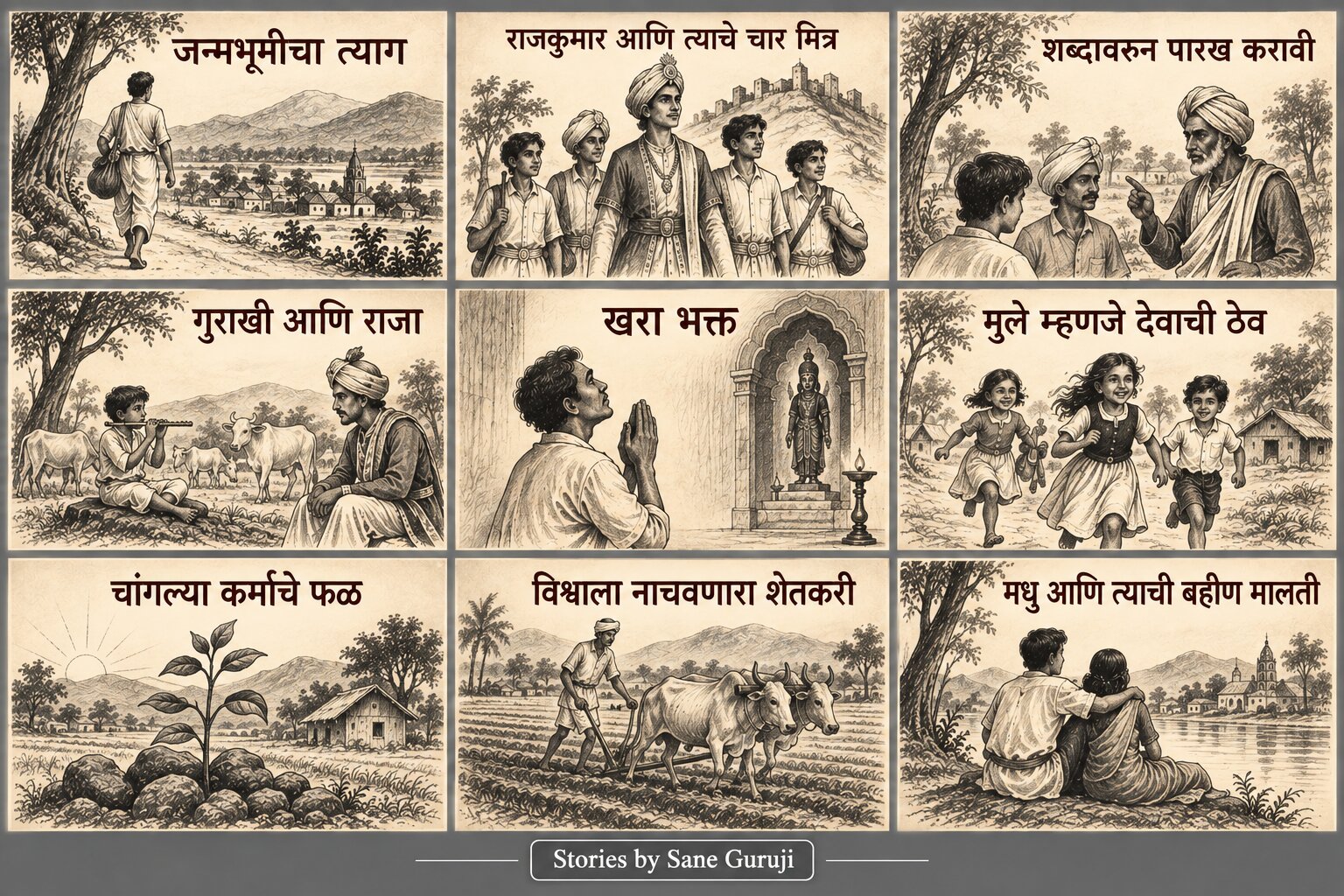
Sane Guruji’s stories often use ordinary people and straightforward situations to explore questions about human behaviour. Madhu and Malati is a good example. There is no elaborate philosophy in the story. Instead, the lesson emerges from what happens to the characters. For me, that is also what makes these stories worth bringing to a podcast. A story that was written many years ago does not have to be presented as a historical artefact. We can simply listen to it and ask whether the people, choices and emotions still feel familiar.
That is the idea behind Stories by Sane Guruji on Gaathastory: to revisit selected stories by Sane Guruji through audio and make them accessible to listeners who may not otherwise pick up the original books.
About Sane Guruji
Pandurang Sadashiv Sane, better known as Sane Guruji, was a Marathi writer, teacher, social activist and freedom fighter. He is particularly remembered for his writing for children, including the much-loved Shyamchi Aai. His writing often brought together simple storytelling and questions about values, society and human relationships. For readers who would like to know more about his life and work, the Wikipedia biography of Pandurang Sadashiv Sane provides a useful starting point.
Sane Guruji’s Stories is a podcast produced by gaathastory and narrated by Sheerali Biju. Translation into English by Amar Vyas. Some content may be modified for brevity and context.