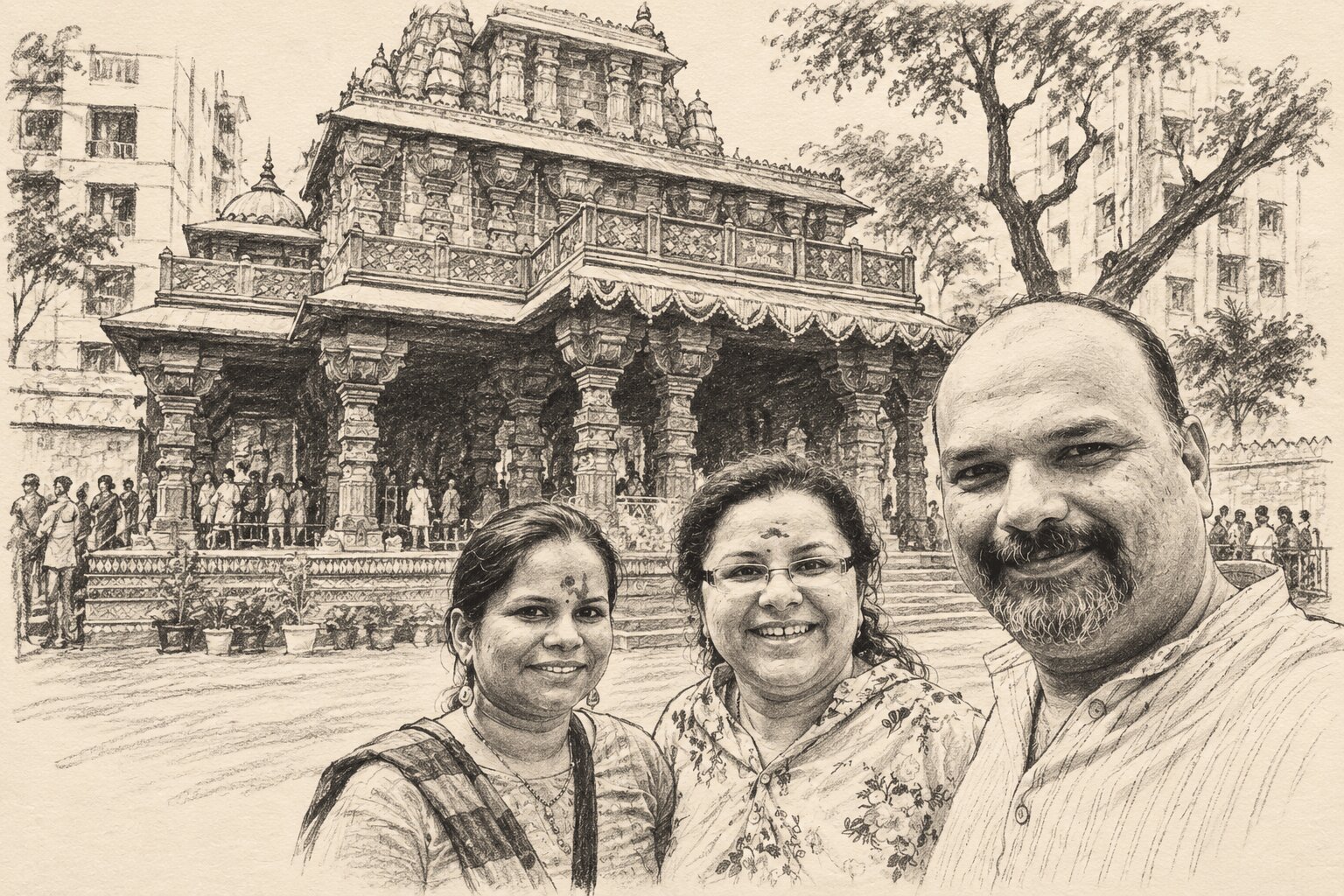
There is an intangible emotion surrounding Ganpati Visarjan that remains difficult to put into mere words. Every year, watching Bappa depart amidst the thunderous dhol-tasha beats in Mumbai brings an inevitable tear to my eye. It is an overwhelming blend of gratitude for the ten days of togetherness alongside a profound ache of bidding Him farewell. Yet, in that parting sorrow lies an enduring reassurance: “Pudhchya varshi lavkar ya”—return early next year.
The poignant atmosphere of Visarjan always pulls me back to our transformative pilgrimage across Maharashtra in 2024. For years, my husband, Amar, and I had harboured a deep yearning to experience the grand festival across Mumbai and Pune. We had admired the iconic pandals on television broadcasts and through photographs, yet our travel plans never seemed to materialise. Finally, the stars aligned effortlessly; as the elders say, it was truly Bappa’s calling.
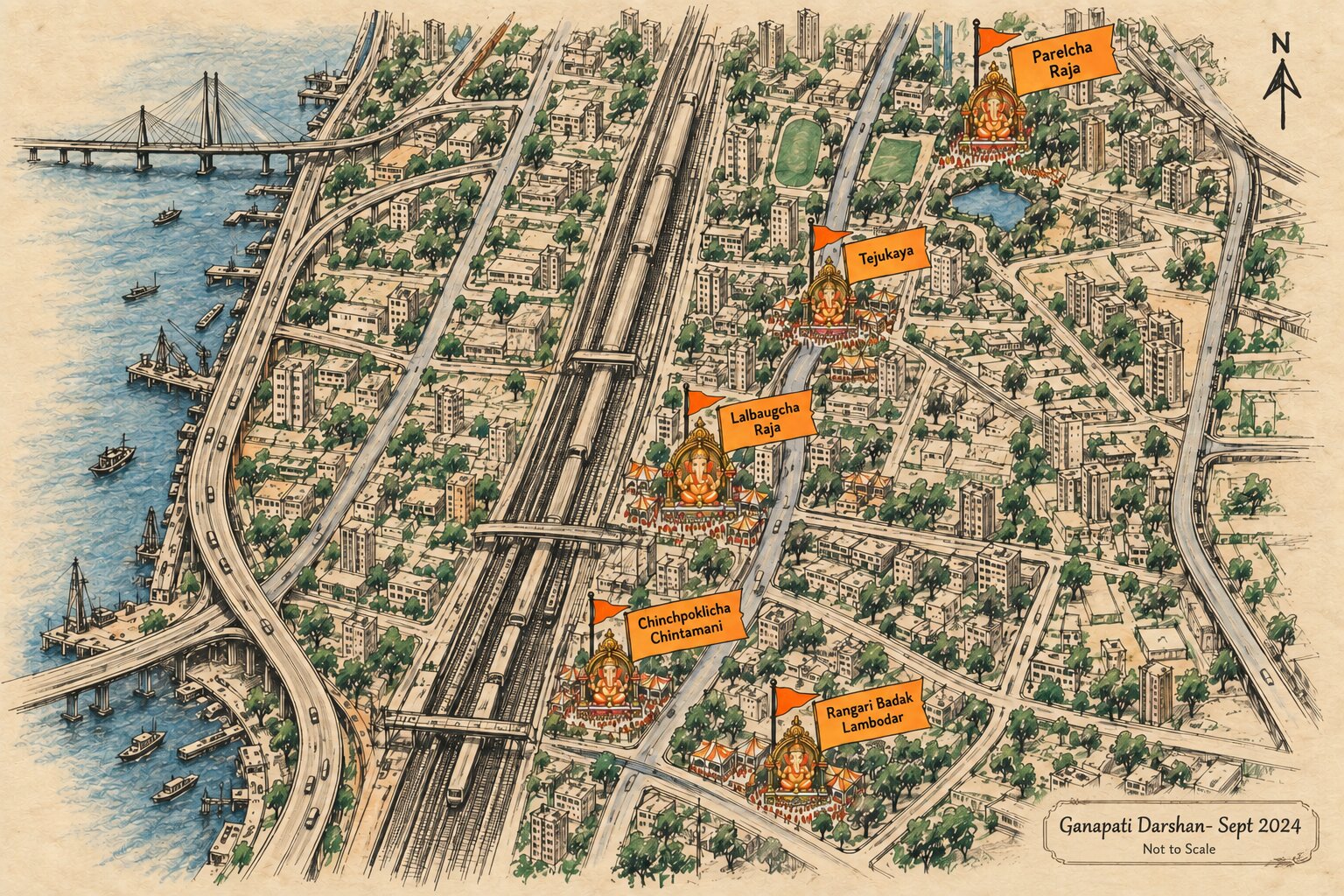 illustration map ganapati darshan in mumbai- September 2024. Locations are approximate
Early Morning Magic: Ganesh Darshan in Mumbai Begins
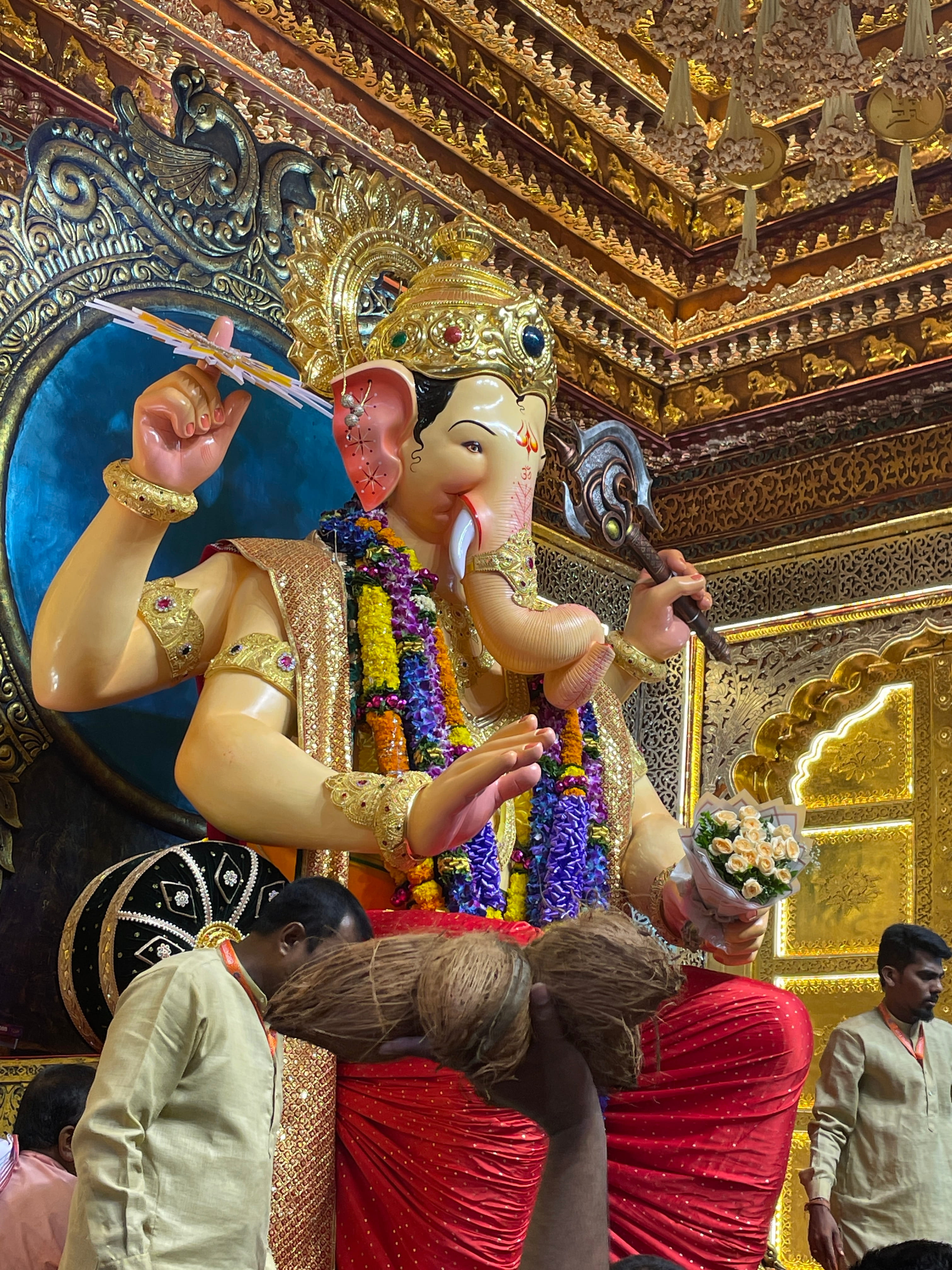 Lalbaugcha Raja, September 2024
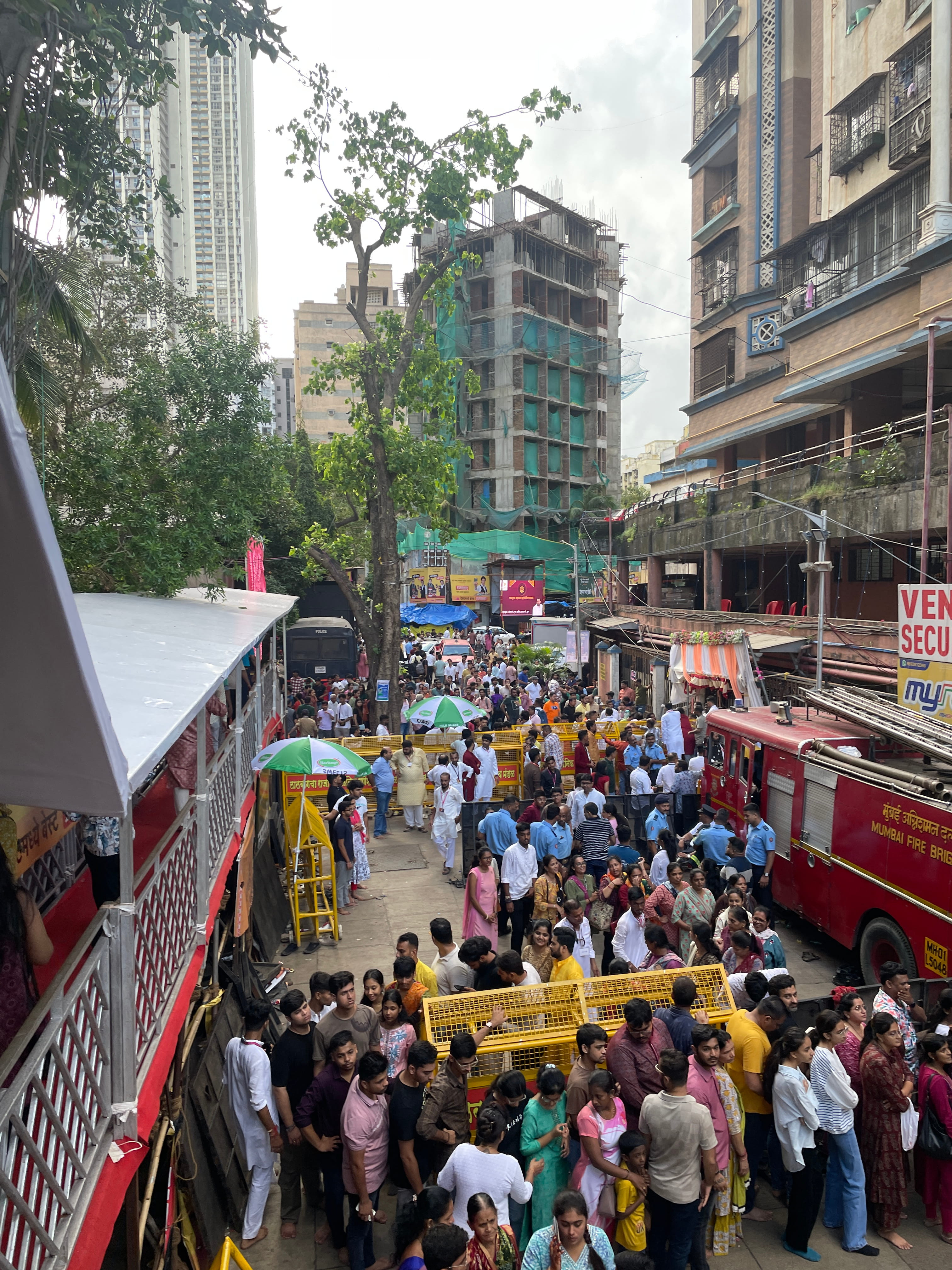
A childhood friend who grew up in Mumbai’s historic Lalbaug-Parel belt gave us a simple piece of advice. She promised us a serene darshan of Lalbaugcha Raja provided we arrived in the quiet pre-dawn hours. Following our family’s traditional one-and-a-half-day Visarjan at home, we took a late-night drive to Lalbaug, reaching the neighbourhood by 5:00 AM. Our cousin in Dadar had initially mocked our plan, insisting we would be stuck in serpentine queues for at least ten hours.
Navigating the quiet alleyways known only to longtime residents, we reached the sanctum and completed our darshan by 6:00 AM. Standing before Lalbaugcha Raja was a deeply moving experience that television screens could never replicate. His compassionate gaze made the entire bustling metropolis fade into complete silence for a few unforgettable moments. I received the sacred red shendur on my forehead, feeling a quiet surrender to the moment.
Because the morning city had not yet fully awakened, we moved effortlessly across neighbouring mandals before peak rush hour. The cool early air allowed us to walk between pandals with surprising ease and reverence. By 8:00 AM, our group had already paid our respects at seven celebrated mandals across the neighbourhood:
- Bal Ganesh
- Rangari Badak Lambodar
- Chinchpokli cha Chintamani
- Mumbaicha Raja (Ganesh Galli)
- Raja Tejukaya
- Parel cha Raja
- Lalbaugcha Raja
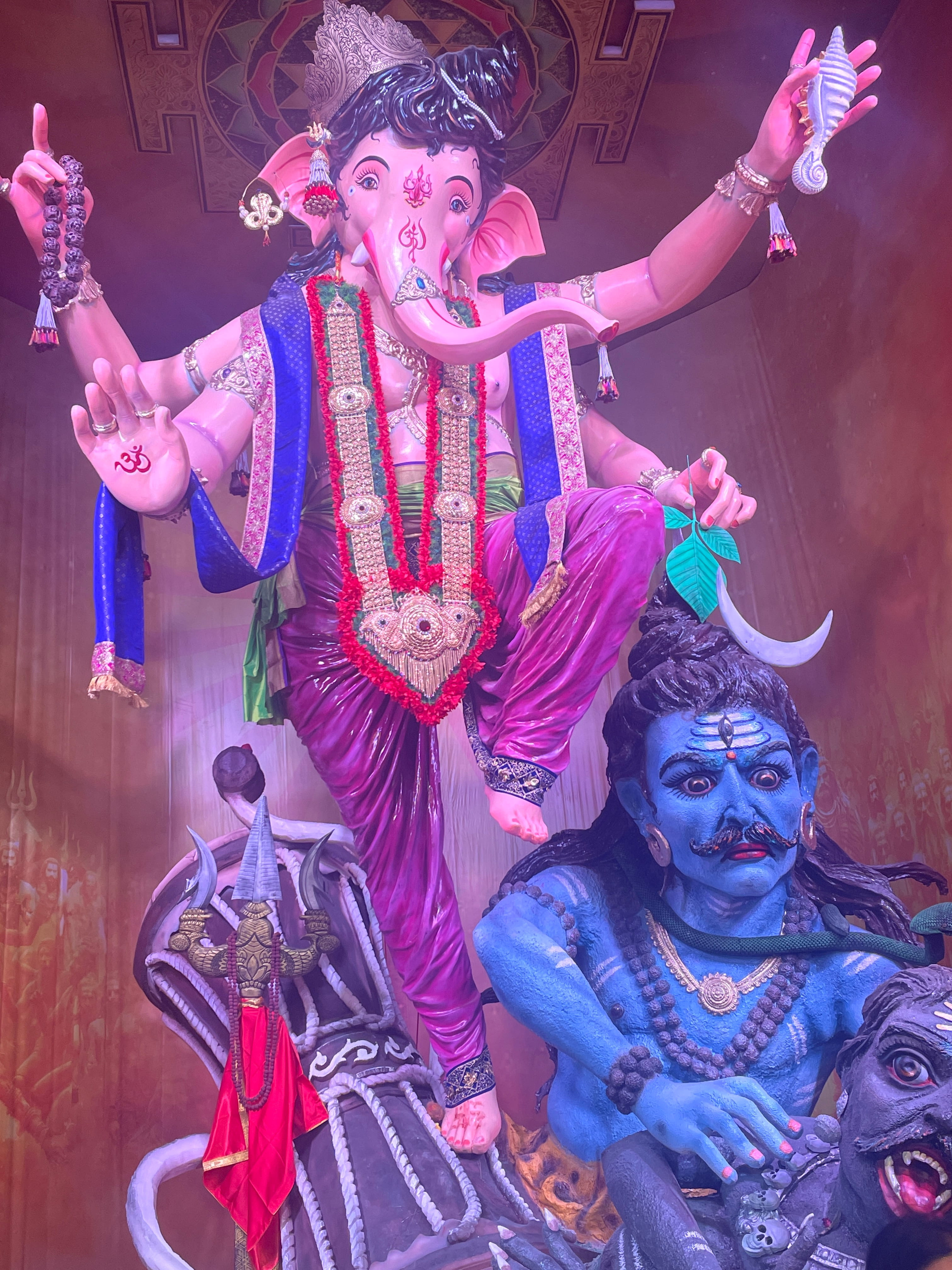
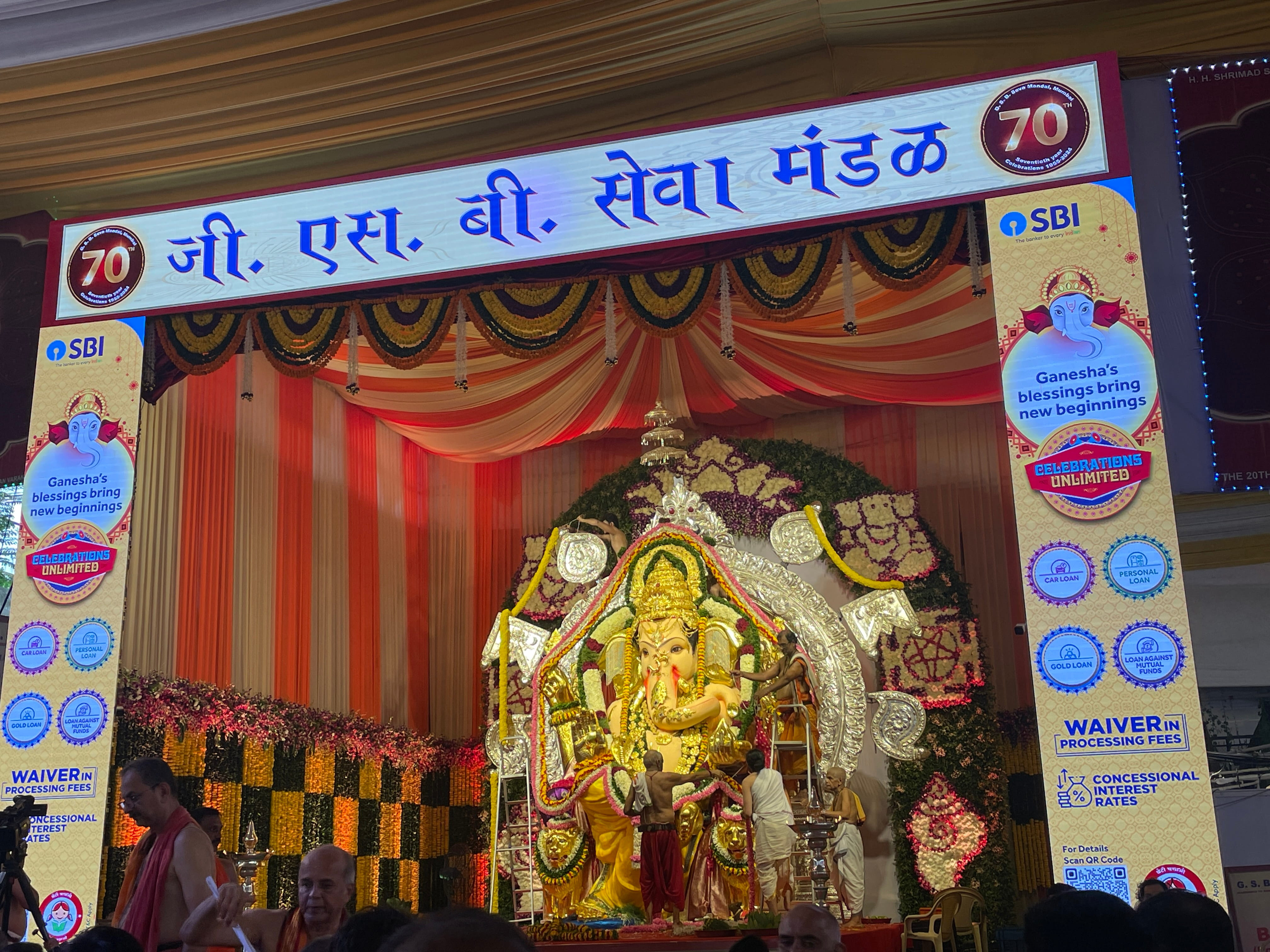
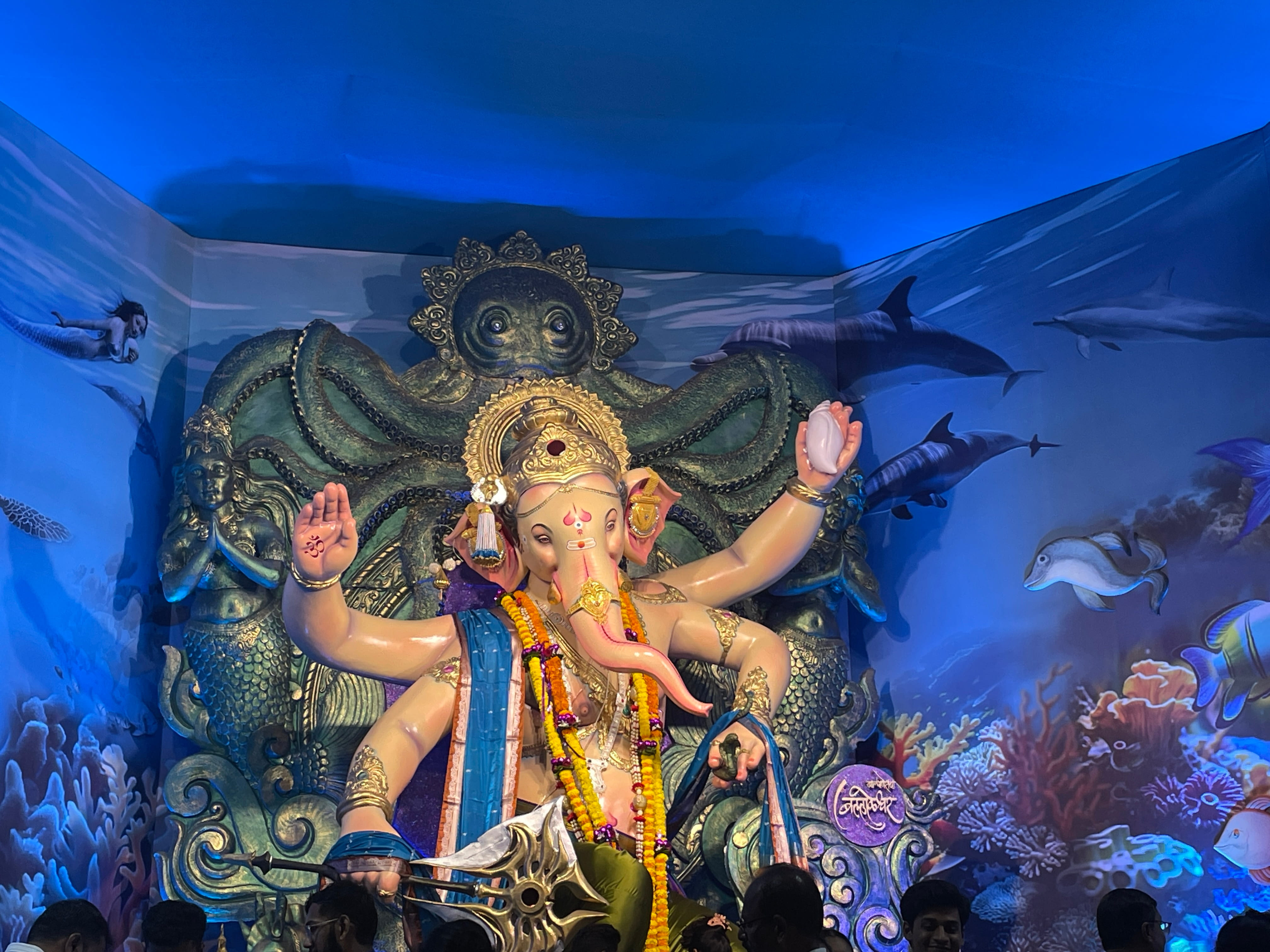
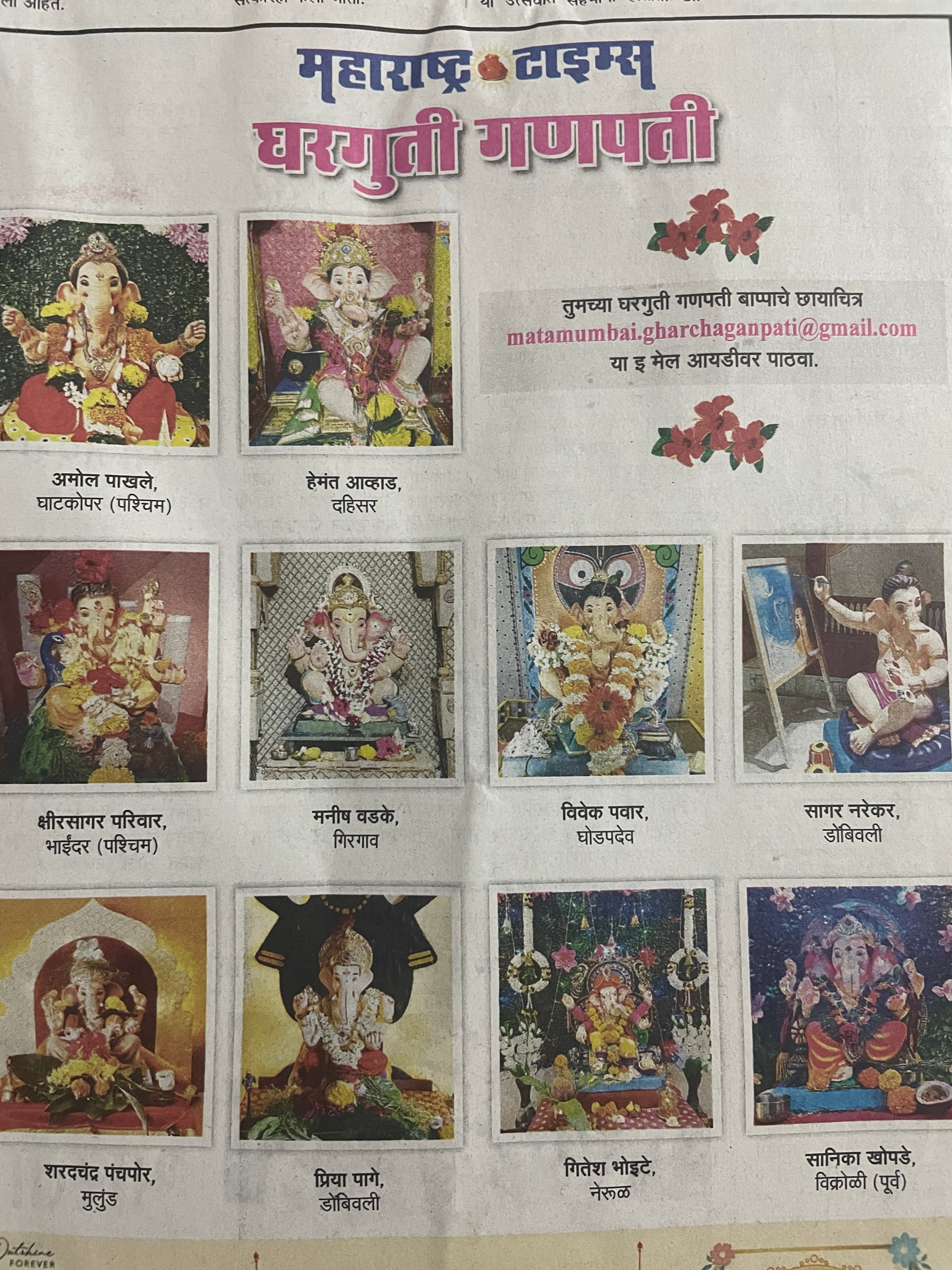
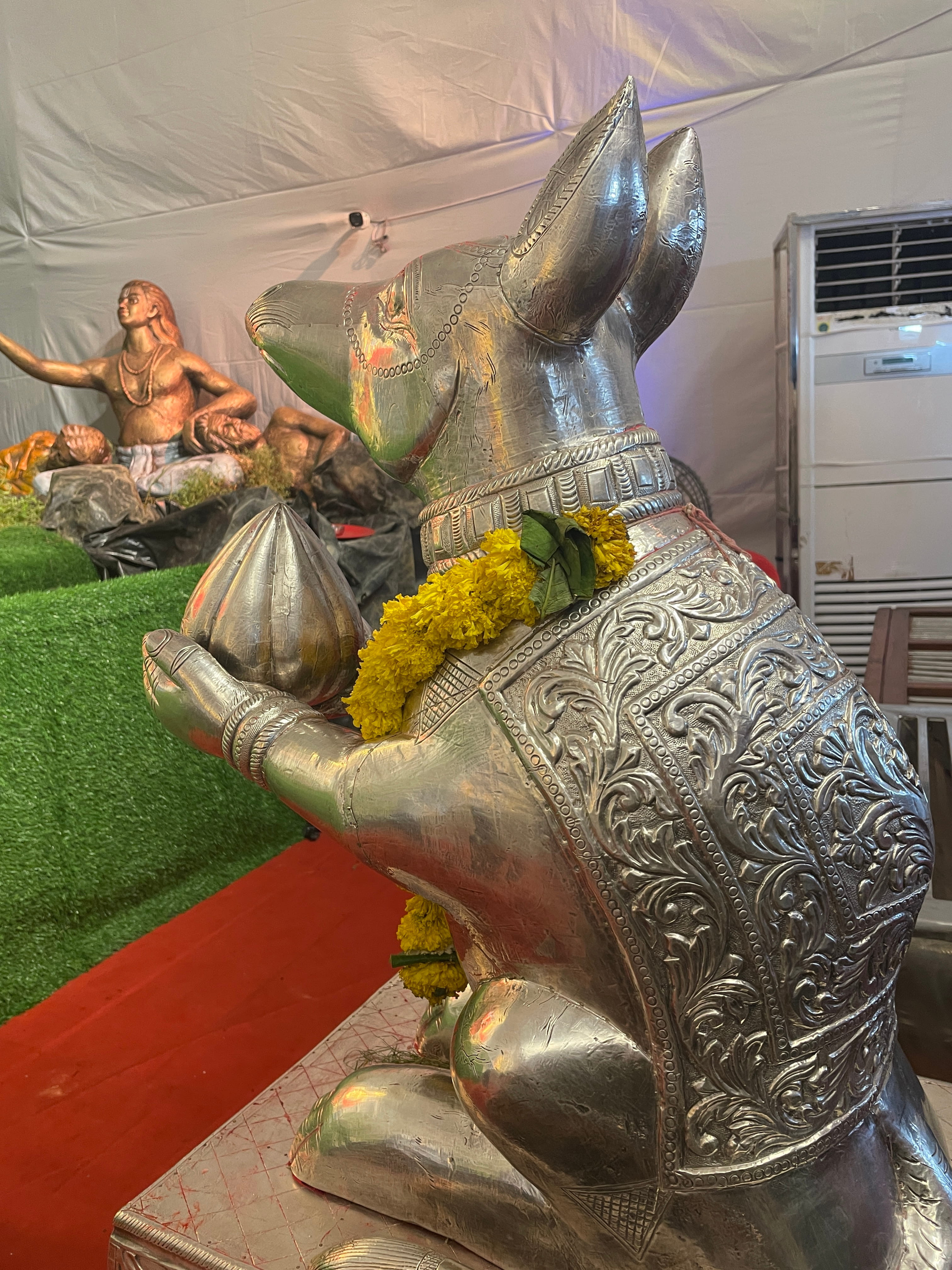
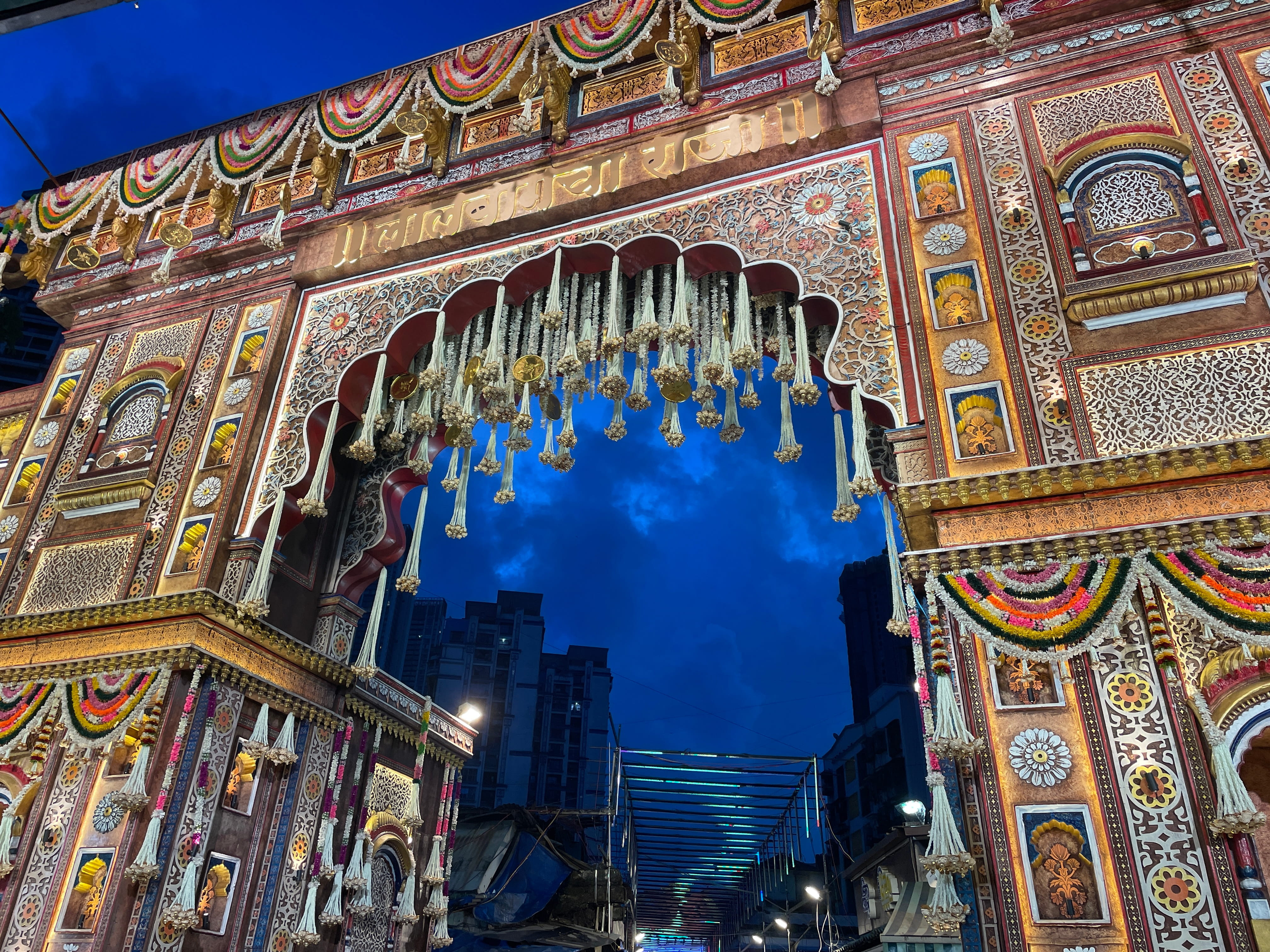
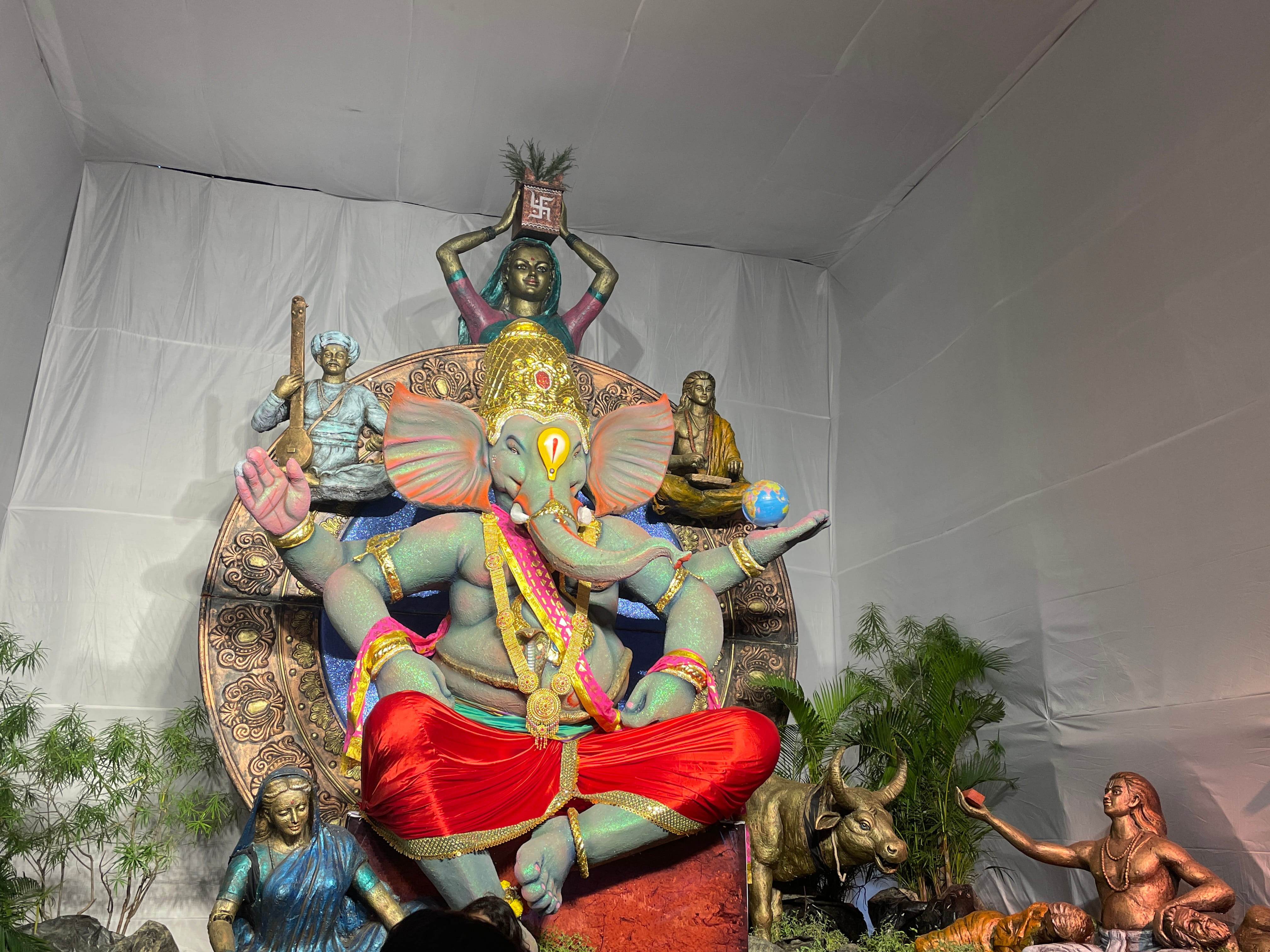
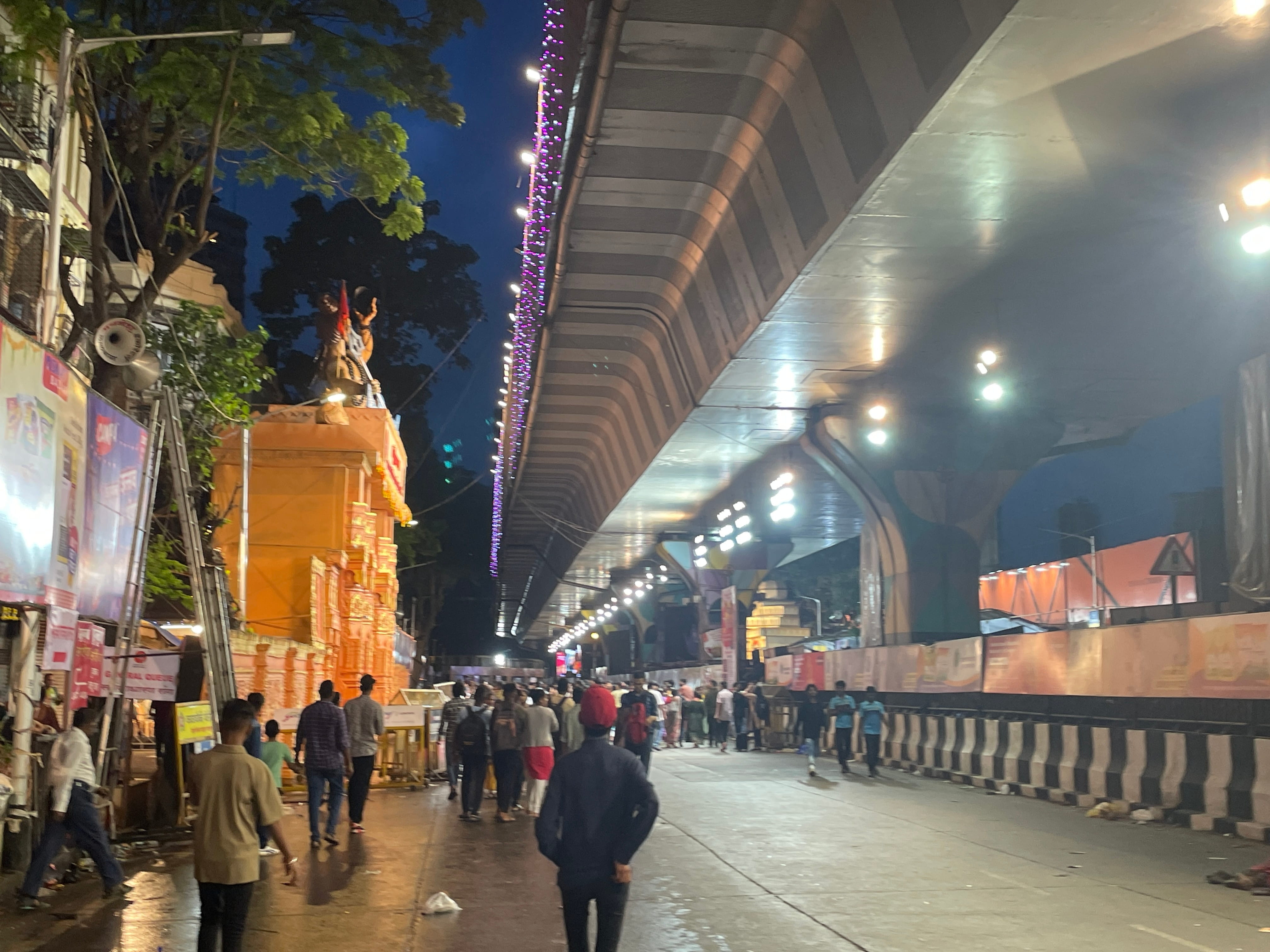
Later that afternoon, we visited the renowned GSB Seva Mandal in Kings Circle to witness the grand celebrations. Revered as one of the richest mandals, the pandal was alive with traditional Vedic homas and customary tula daan offerings. We partook in the satvik mahaprasad, marvelling at the meticulous organisation before the idol’s scheduled fifth-day immersion. Timing played a vital role throughout the day, proving that unseen hands were orchestrating our journey.
The Spiritual Heritage of Pune: Honoring Tradition and History
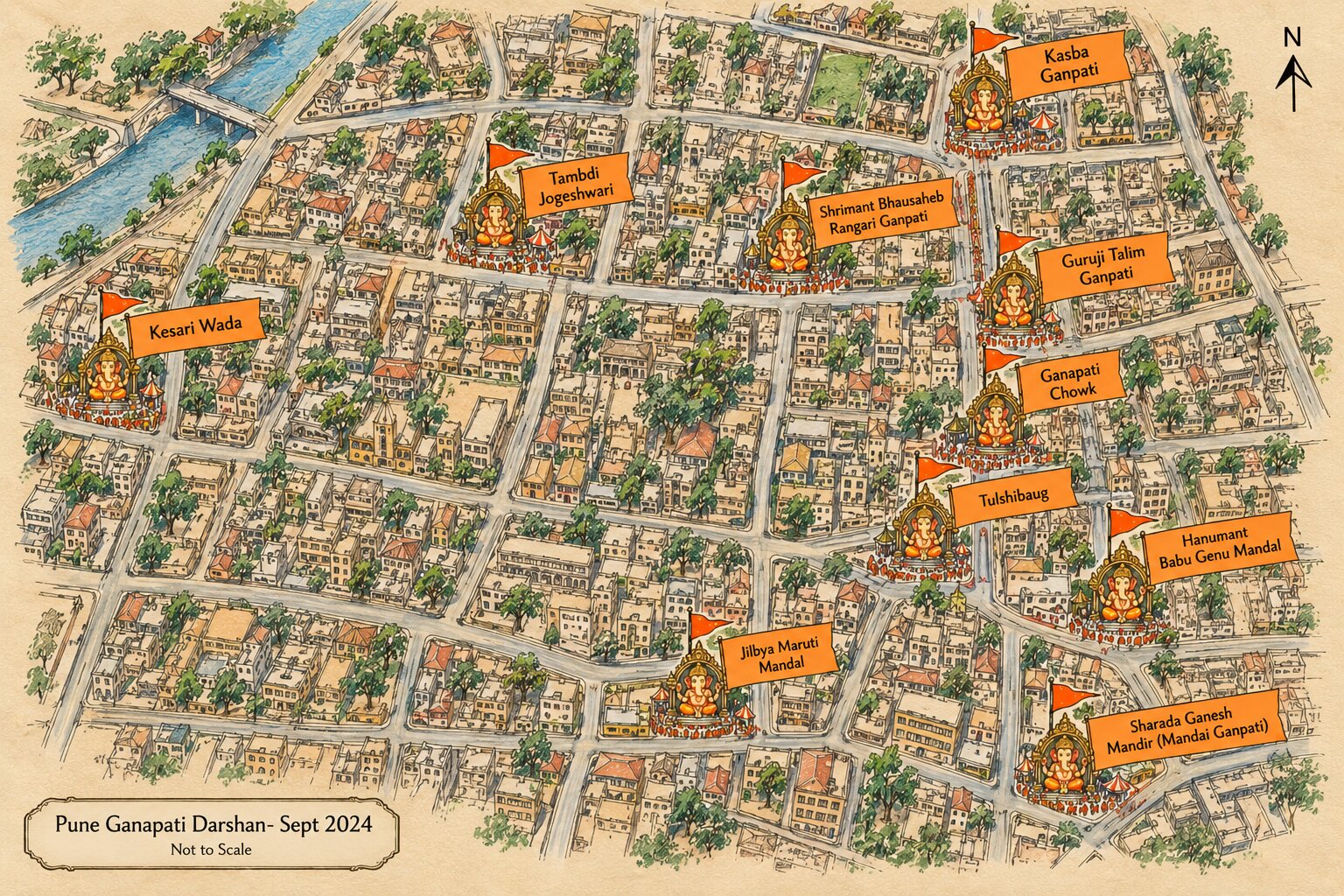 illustration map ganapati darshan in pune- September 2024 . Locations are approximate
The following morning began with an auspicious darshan at Mumbai’s historic Siddhivinayak Temple. Soon after, we decided to drive towards Pune alongside my vlogger niece, who was keen on documenting the cultural festivities. If Mumbai captivates devotees with its staggering scale, Pune touches the soul through its century-old heritage and discipline. The entire atmosphere shifts towards historical reverence, deep-rooted neighborhood pride, and established social conventions.
At the very heart of Pune’s festive tapestry lie the five revered Maanache Ganpati. Each of these pandals holds a defined place in the festival’s ceremonial hierarchy, steeped in rich civic history. Walking through the older peth areas that night, we were mesmerised by the blend of devotion and classical heritage. We took our time exploring these landmarks, reflecting on how traditions have survived through generations:
1. Kasba Ganpati
Revered as Pune’s Gramdevta, Kasba Ganpati holds the first seat of honour among the Maanache Ganpati. The temple carries a deep historical association with Rajmata Jijabai, who oversaw the town’s rebuilding in the seventeenth century. Standing within its quiet courtyard during the festival grounds you instantly in the historical roots of Maharashtra. It is not merely a stop on a tourist trail, but the foundational chapter of the city’s Ganeshotsav.
2. Tambdi Jogeshwari
From Kasba, we walked to the second honoured deity, situated beside the temple of Pune’s patron goddess, Gramdevi Jogeshwari. The shrine holds immense religious significance, with its silver throne and traditional red idol drawing steady streams of devotees. The surrounding old residential quarters provide a glimpse into the lifestyle of ancient Pune. Here, our focus shifted naturally from grand displays to quiet introspection and community rituals.
3. Guruji Talim
Guruji Talim, the third Maanacha Ganpati, stands as a historic symbol of interfaith harmony and collective celebration. Established by prominent Hindu and Muslim families who trained in the local wrestling akhada, the mandal reflects exemplary brotherhood. It reminds visitors that the festival was built on mutual respect and shared community participation. Walking past the colourful decorations, one feels deeply inspired by Pune’s secular traditions.
4. Tulshibaug Ganpati
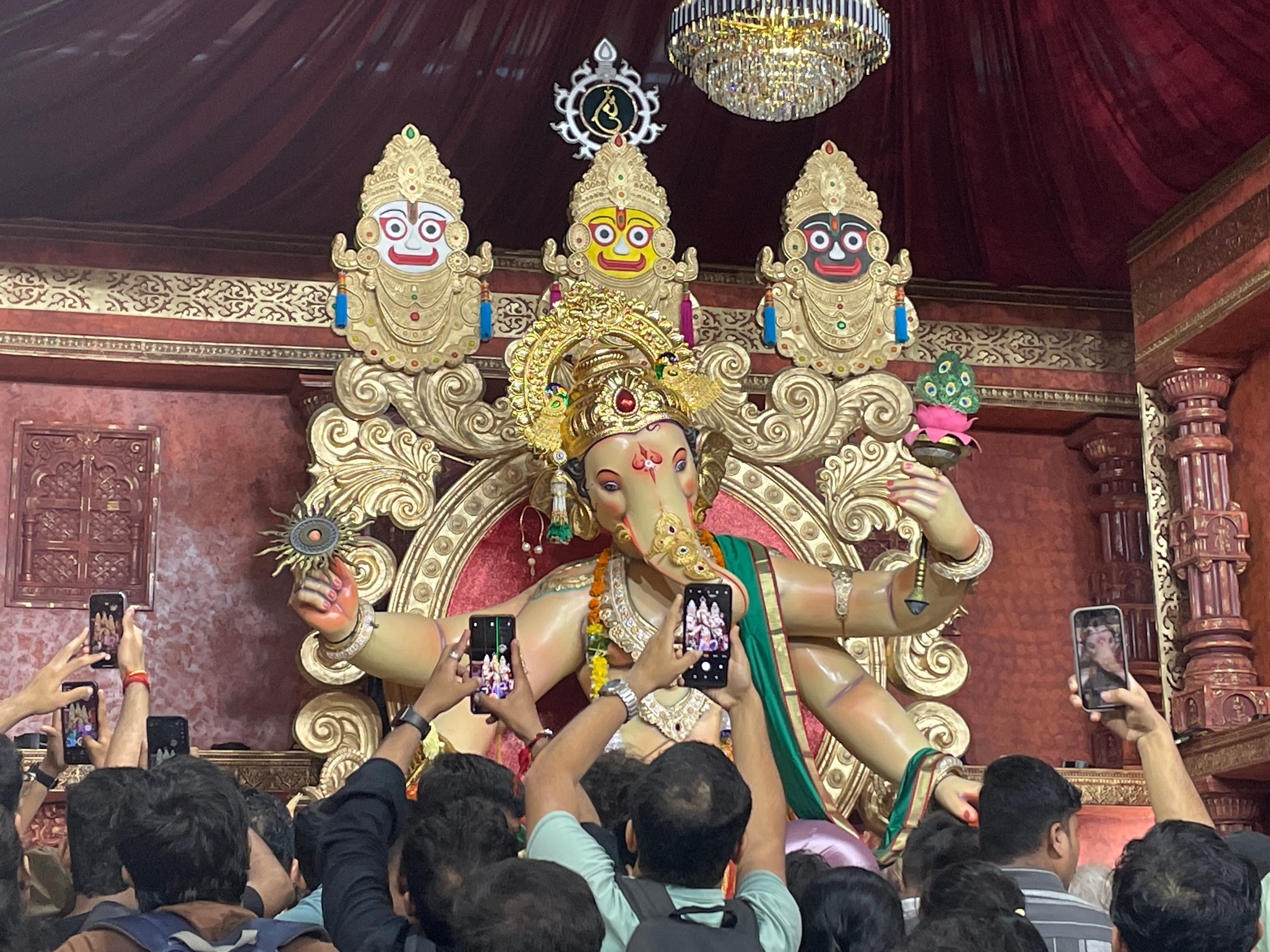
Nestled in the bustling market alleys of Pune, Tulshibaug represents the lively commercial community of the city. That year, the mandal had crafted an intricate theme inspired by the Jagannath Puri temple. Pune’s pandals often tell compelling stories through their thematic architecture rather than sheer ornamentation alone. Visitors can spend hours admiring the craftsmanship before offering their silent prayers to the deity.
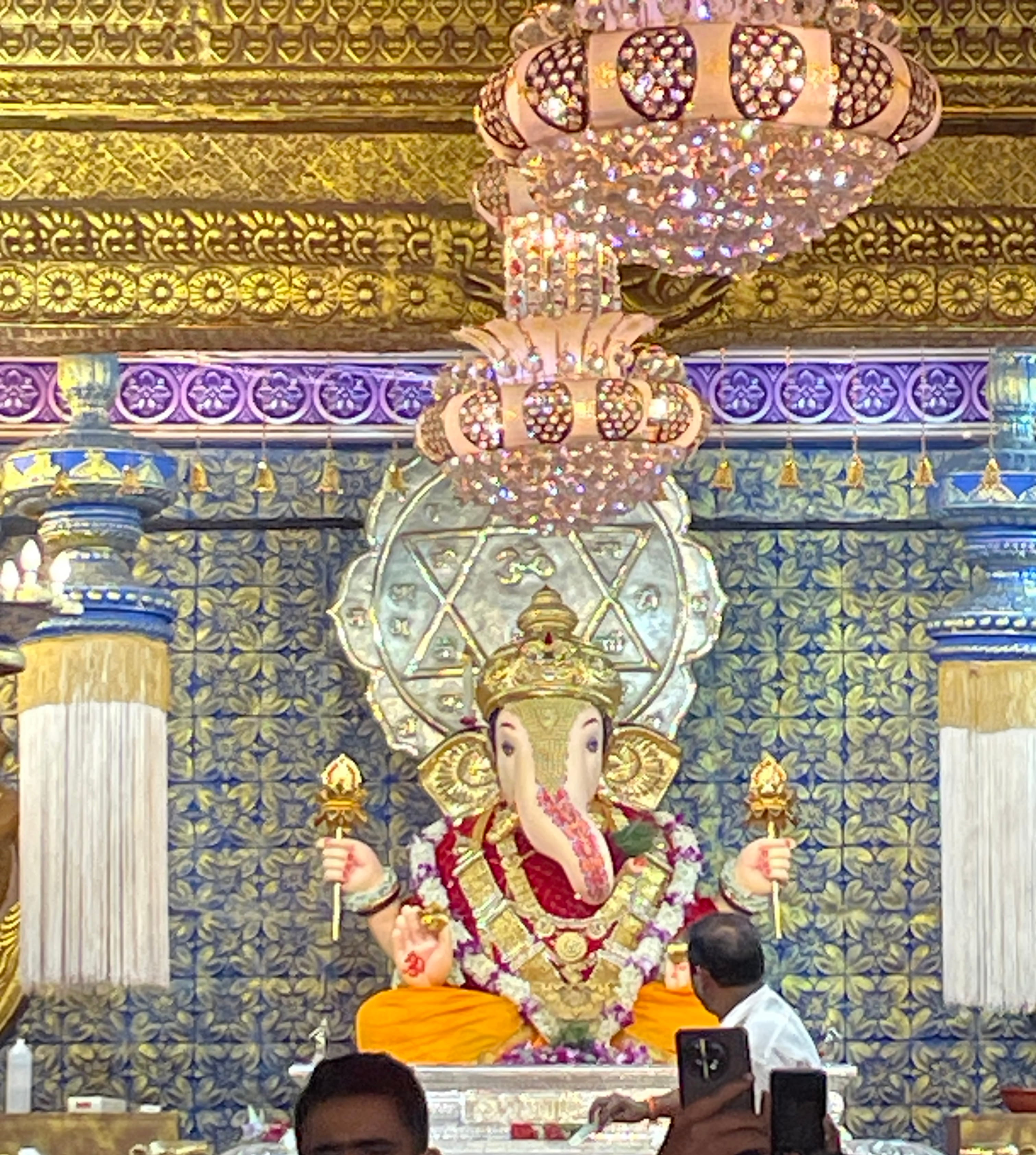
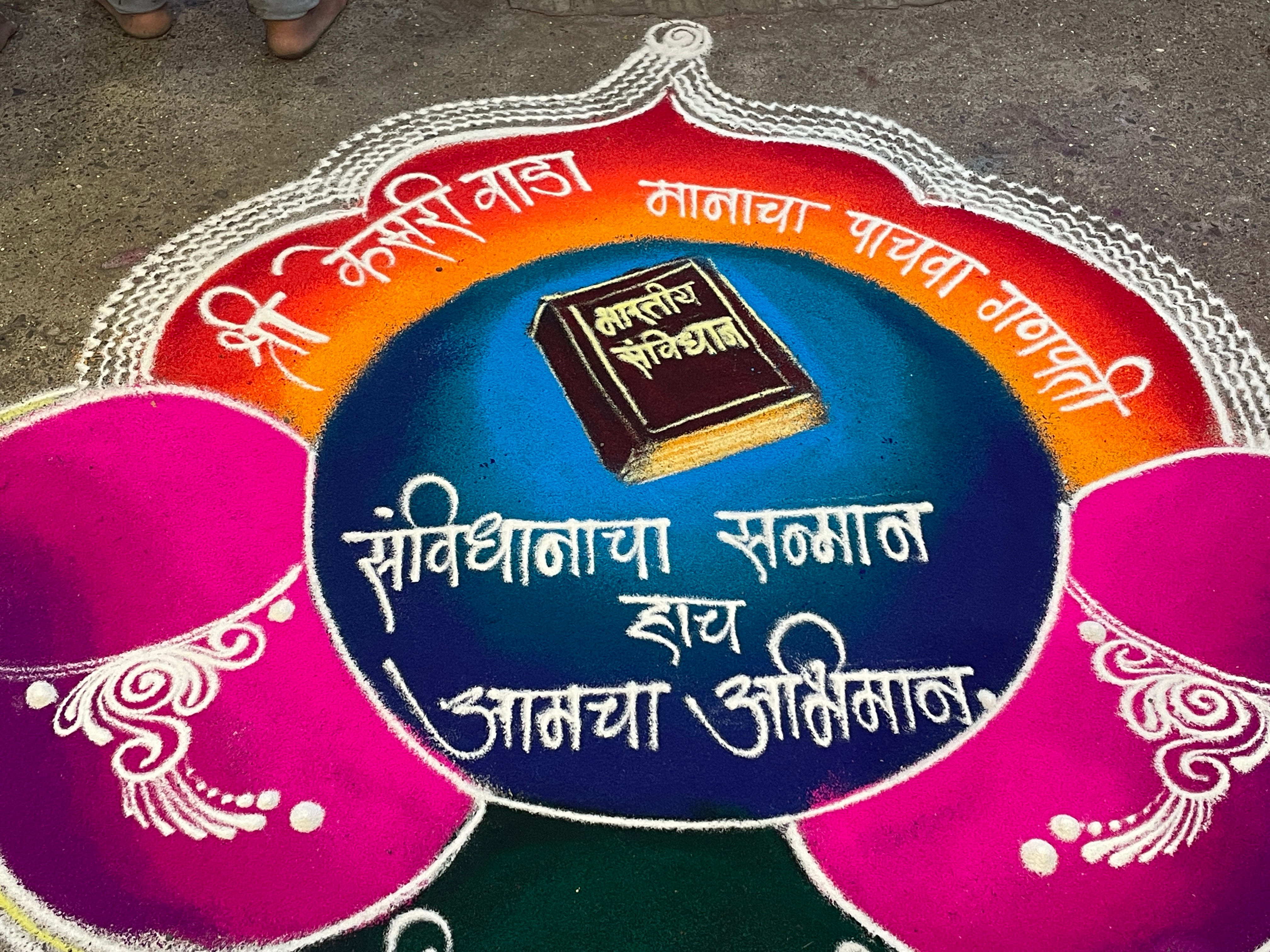
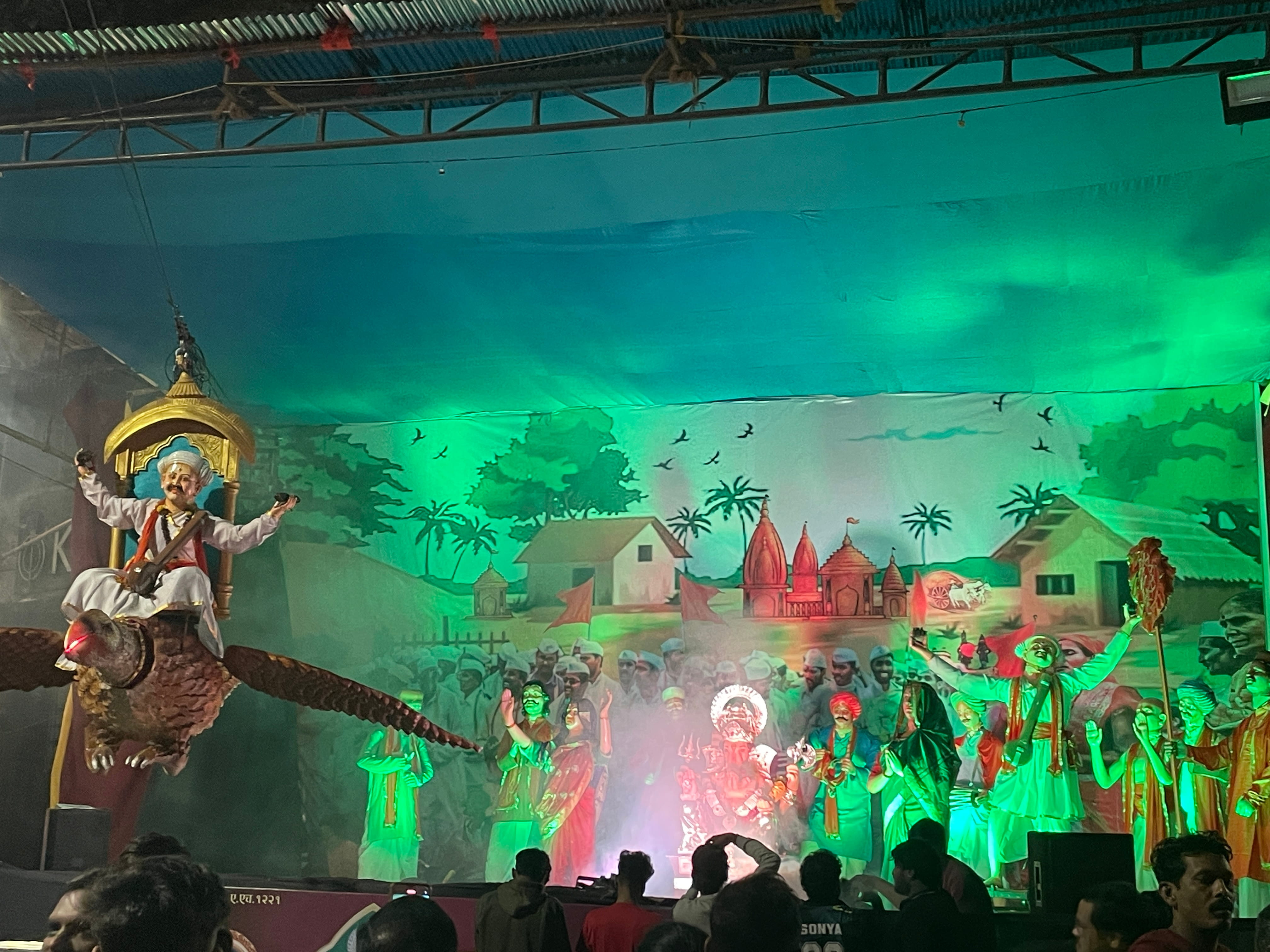
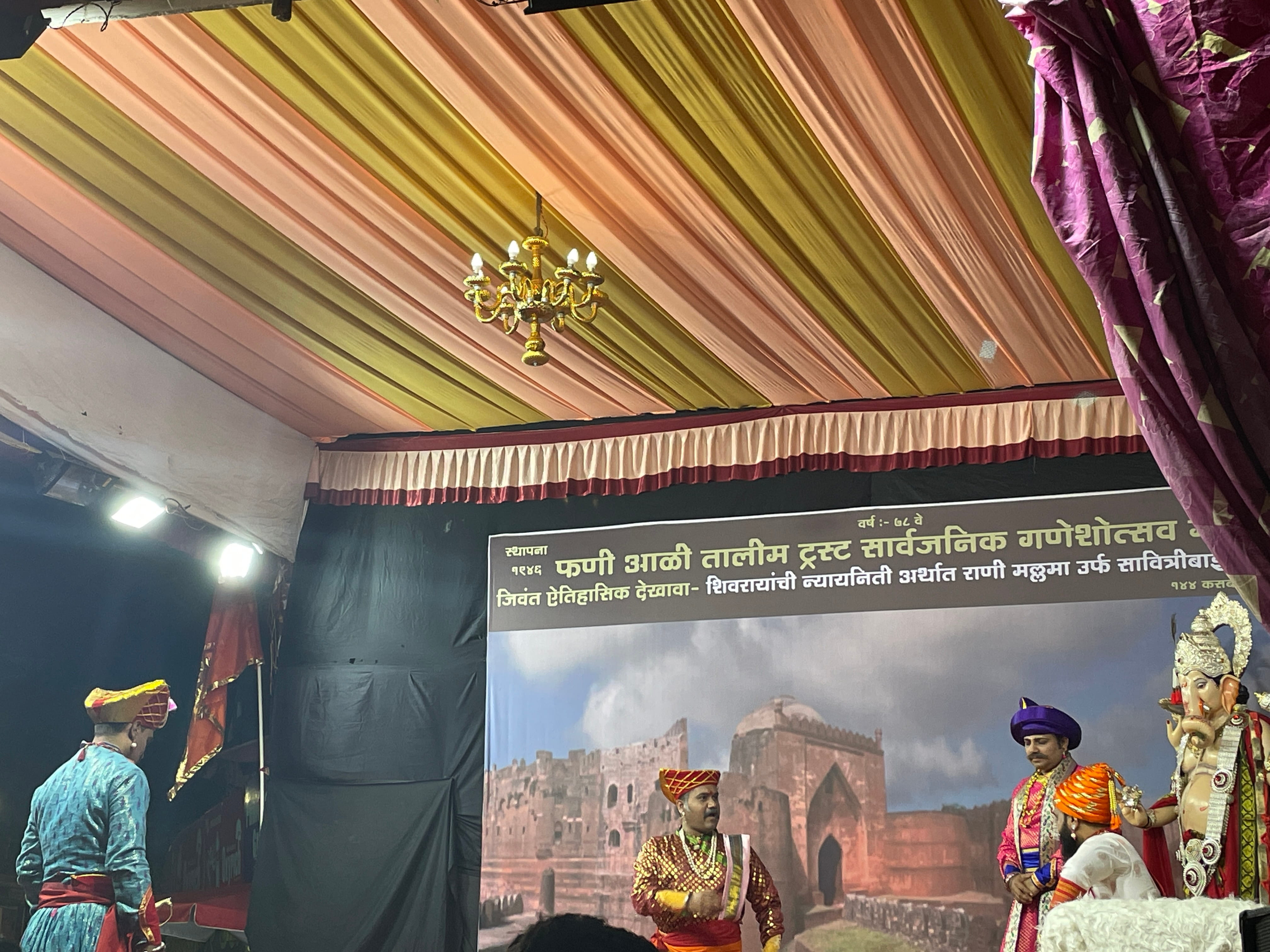
5. Kesari Wada
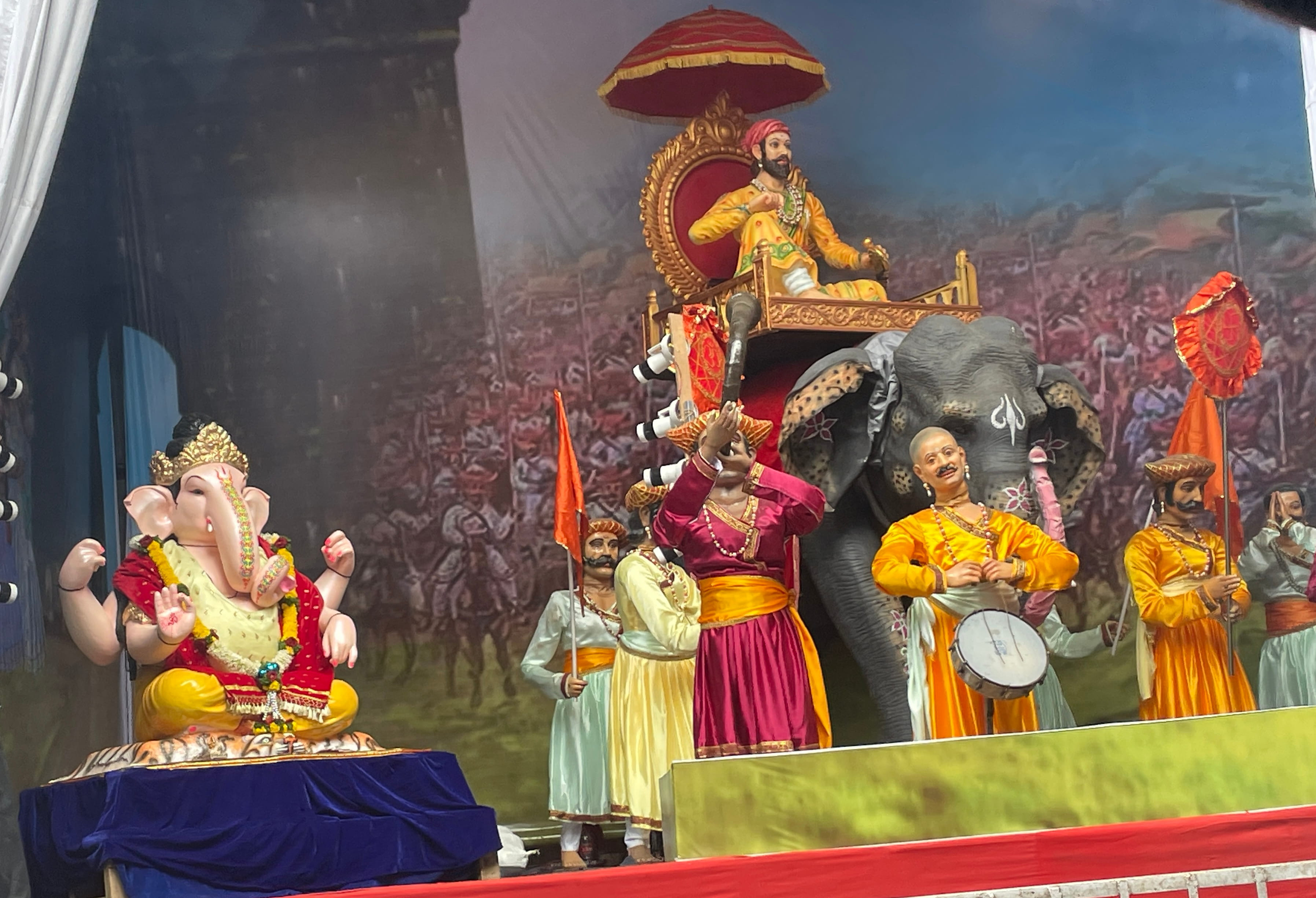
Our journey through the sacred five concluded at Kesari Wada, the historical bastion of Lokmanya Bal Gangadhar Tilak. Tilak transformed the quiet domestic worship of Ganesha into a public festival to unite citizens during the Indian independence movement. Standing within the historic stone courtyard, one remembers the courage and collective vision that shaped modern India. Kesari Wada stands as a living museum of India’s social awakening and national heritage.
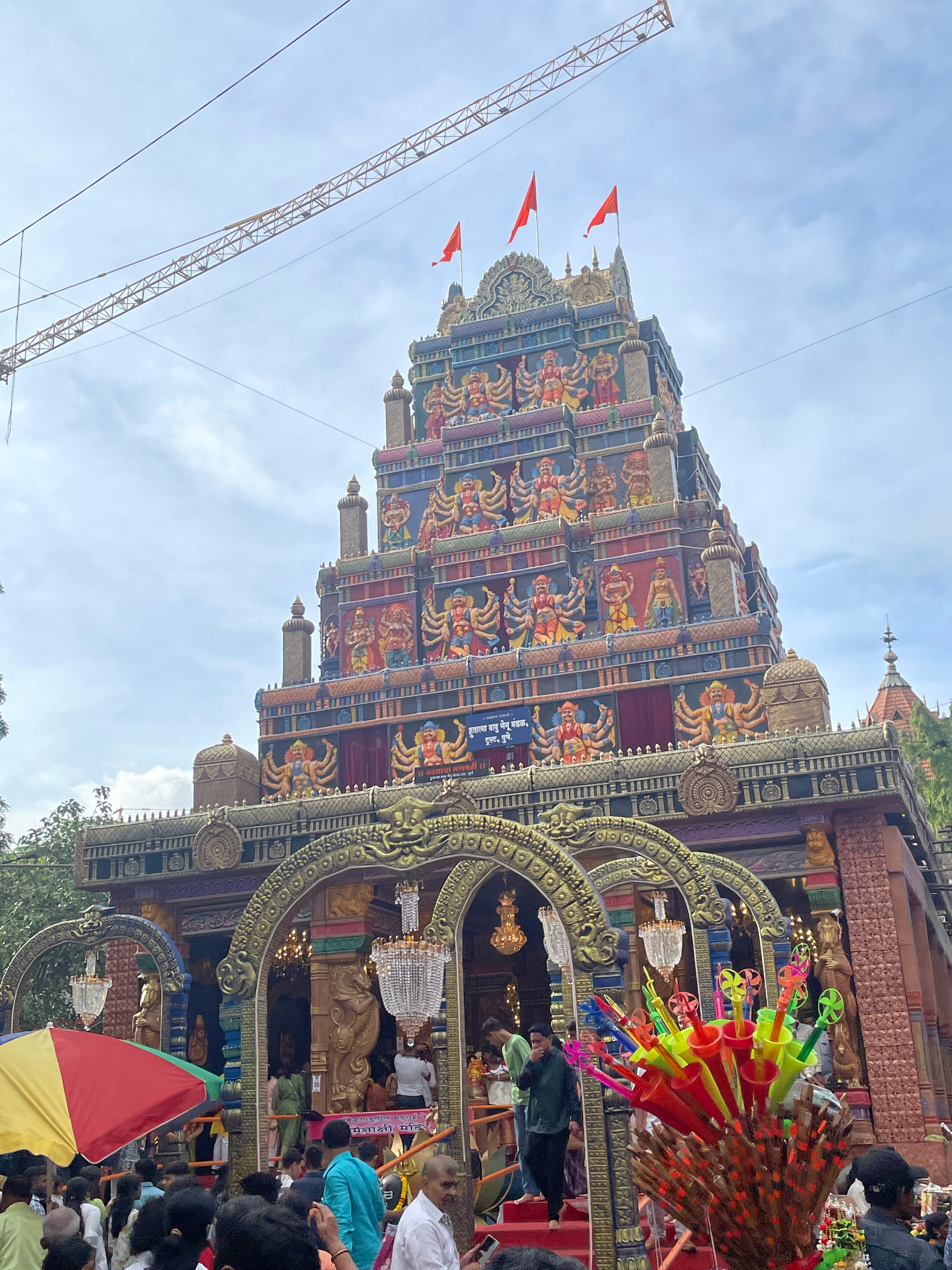
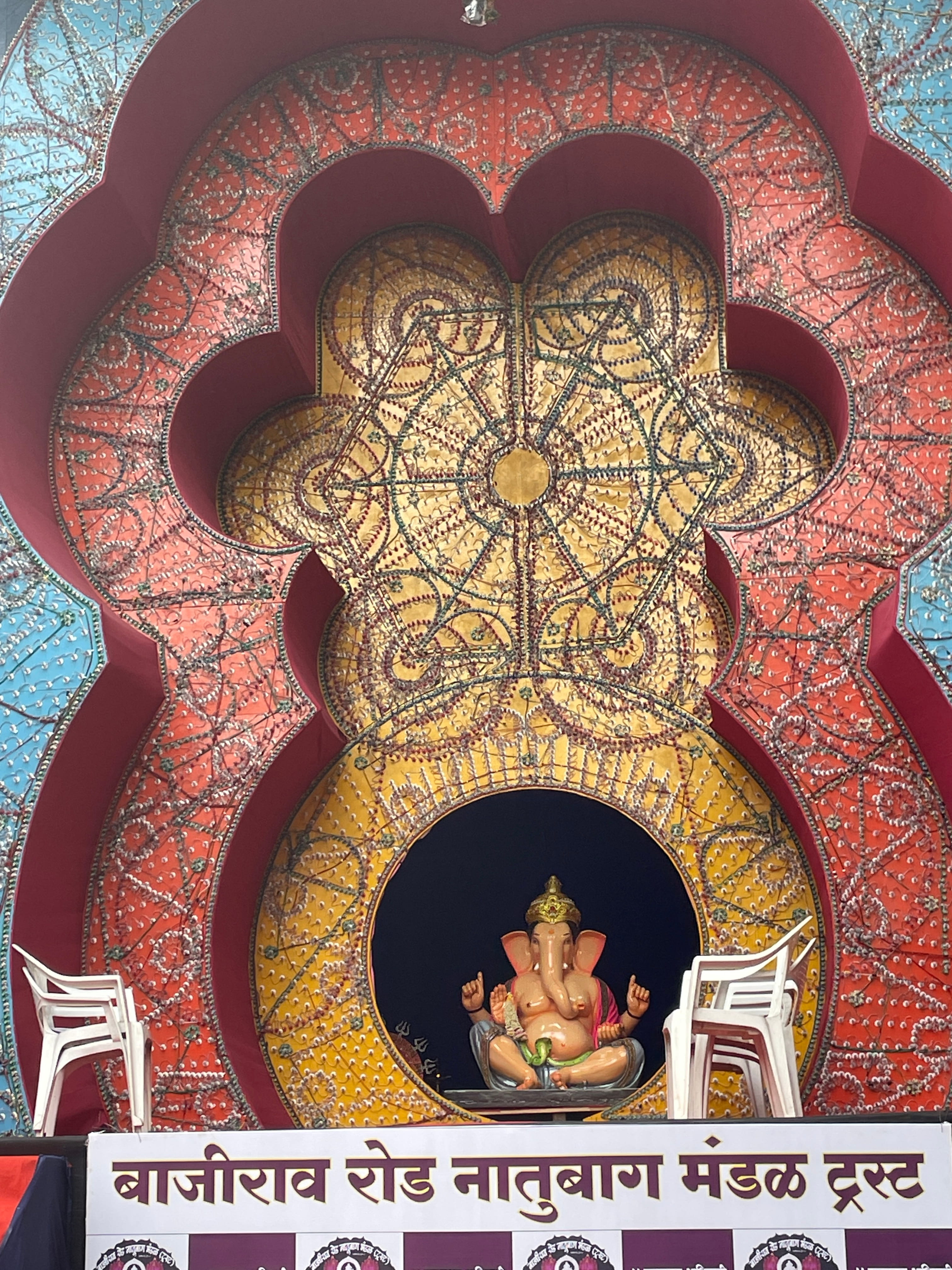
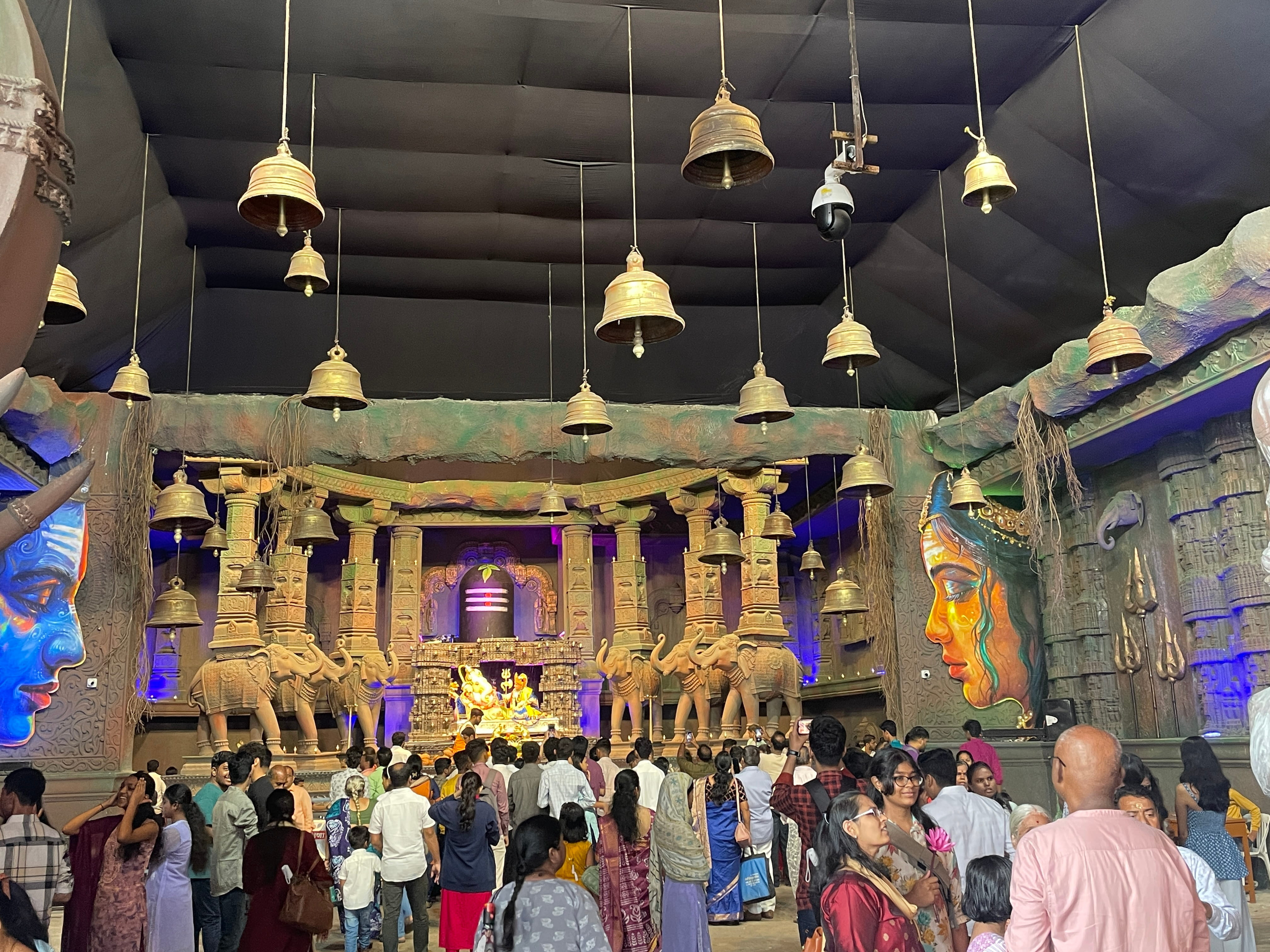
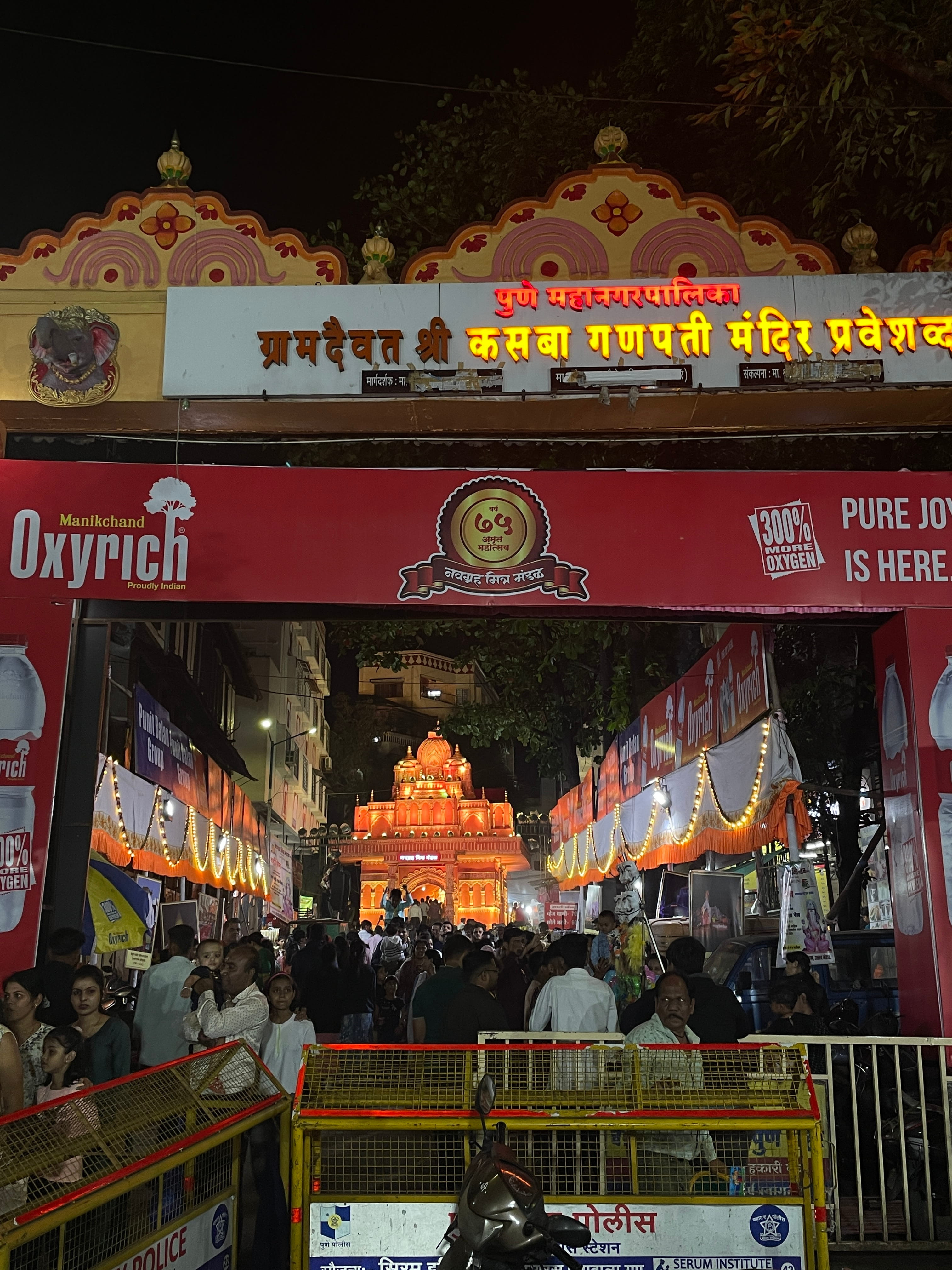
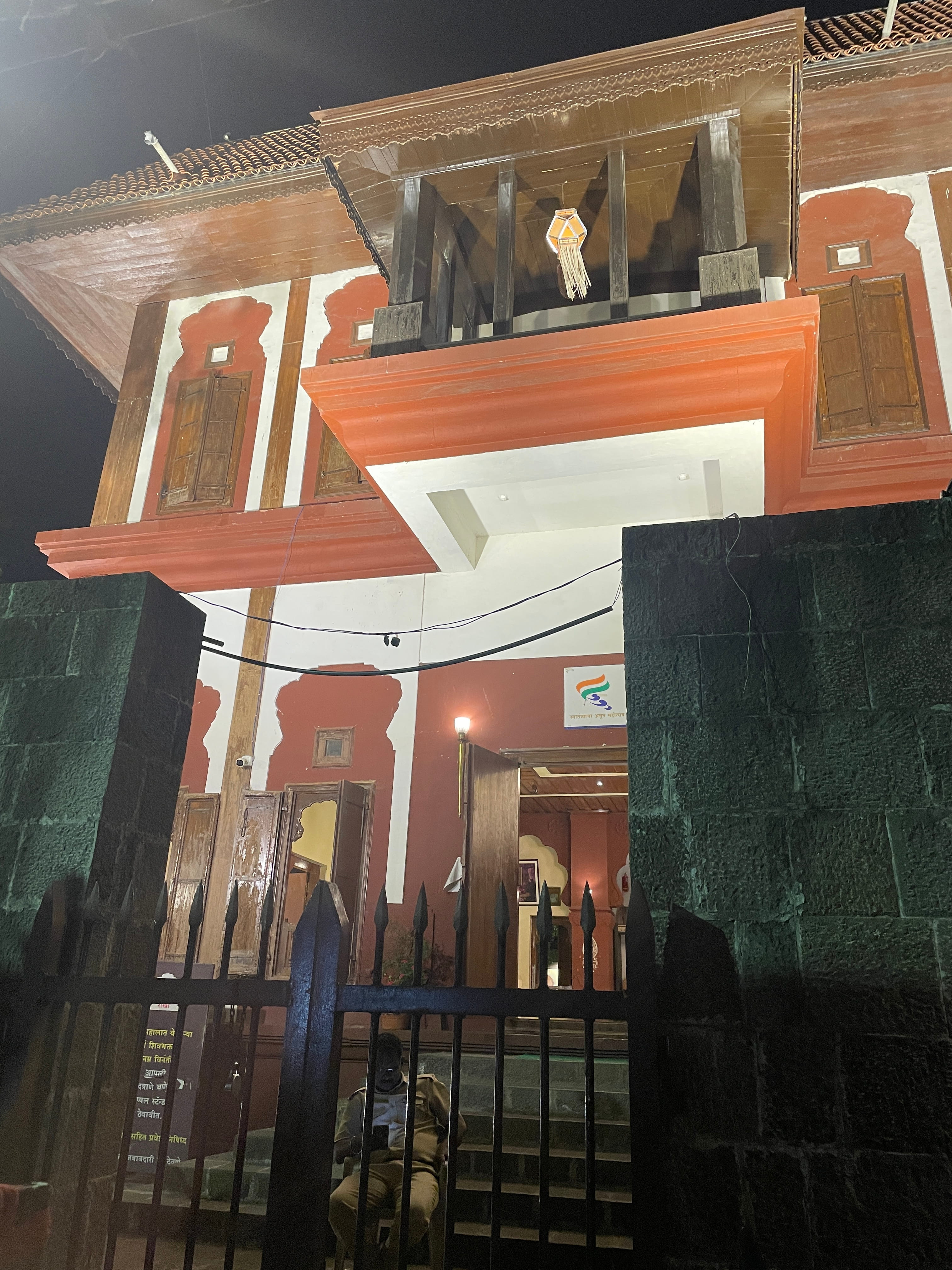
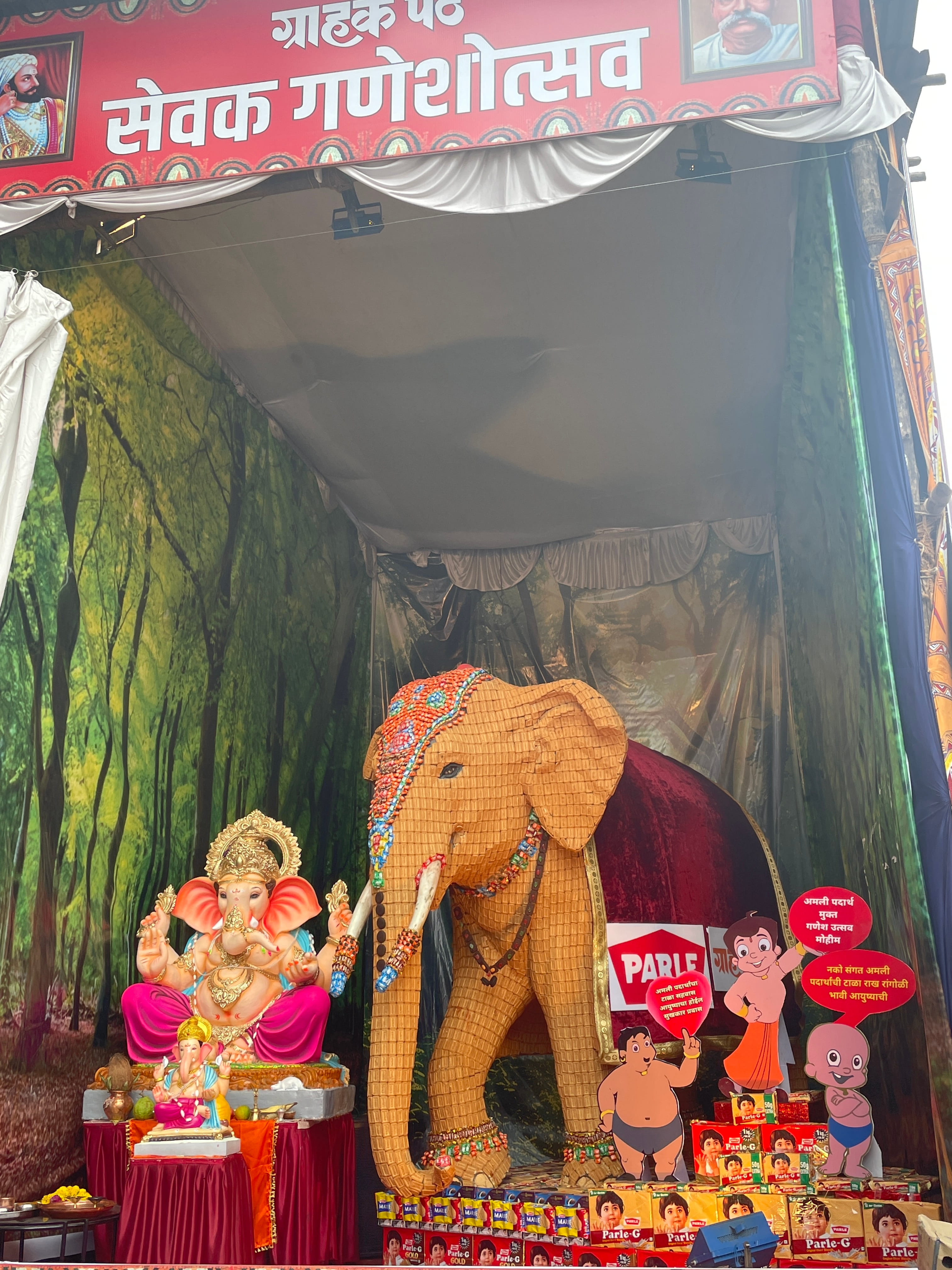
A Walk Down Memory Lane and the Western Ghats
For Amar, the late-night walk through the bustling lanes of Pune stirred up memories from three decades ago. He recalled his college days when he and four friends took a state transport bus from Kothrud to Alka Talkies Chowk. Walking the same streets thirty years later alongside family brought an emotional full circle to the trip. The infrastructure had changed considerably, but the city’s festive enthusiasm remained as vibrant as ever.
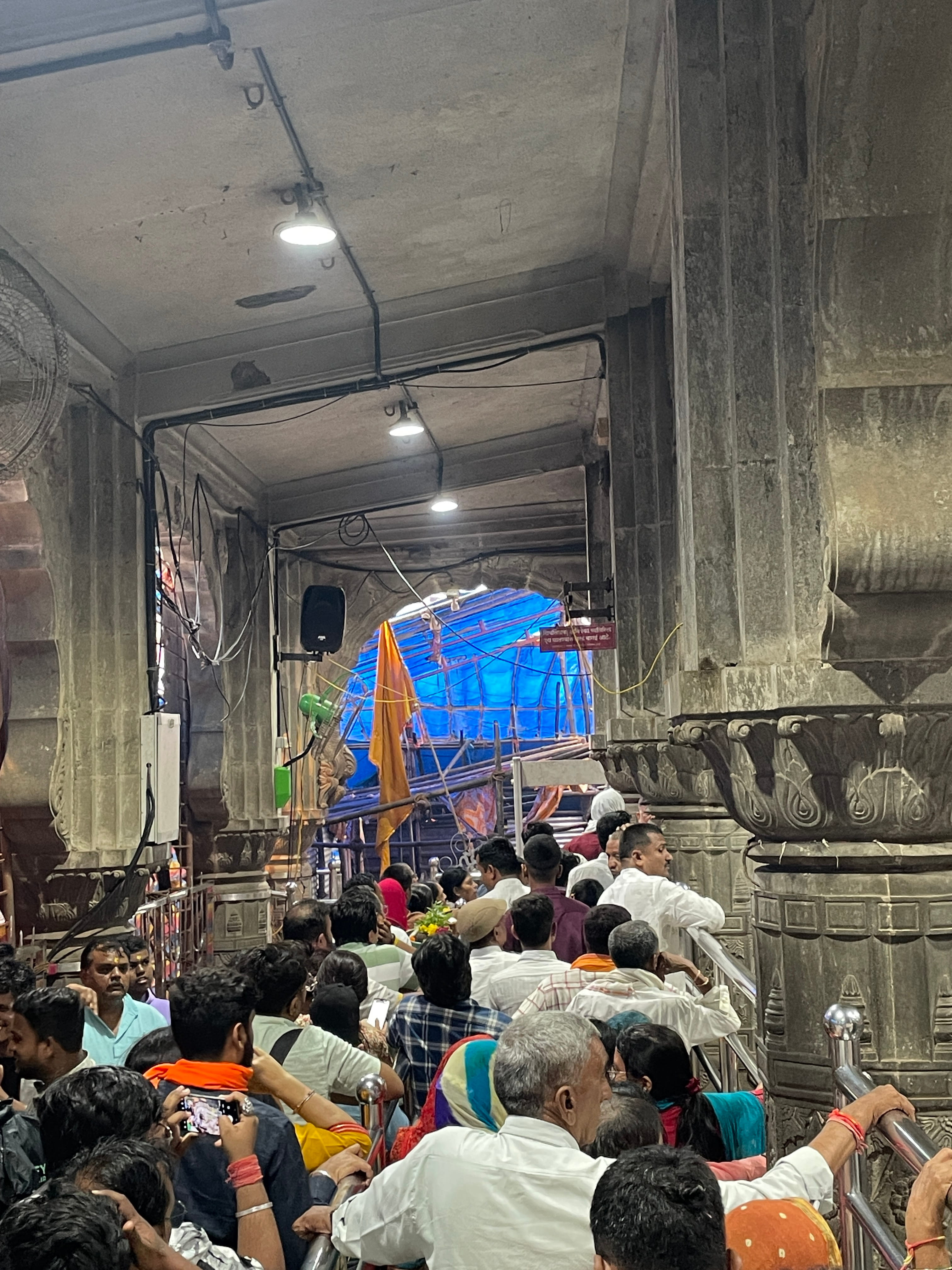
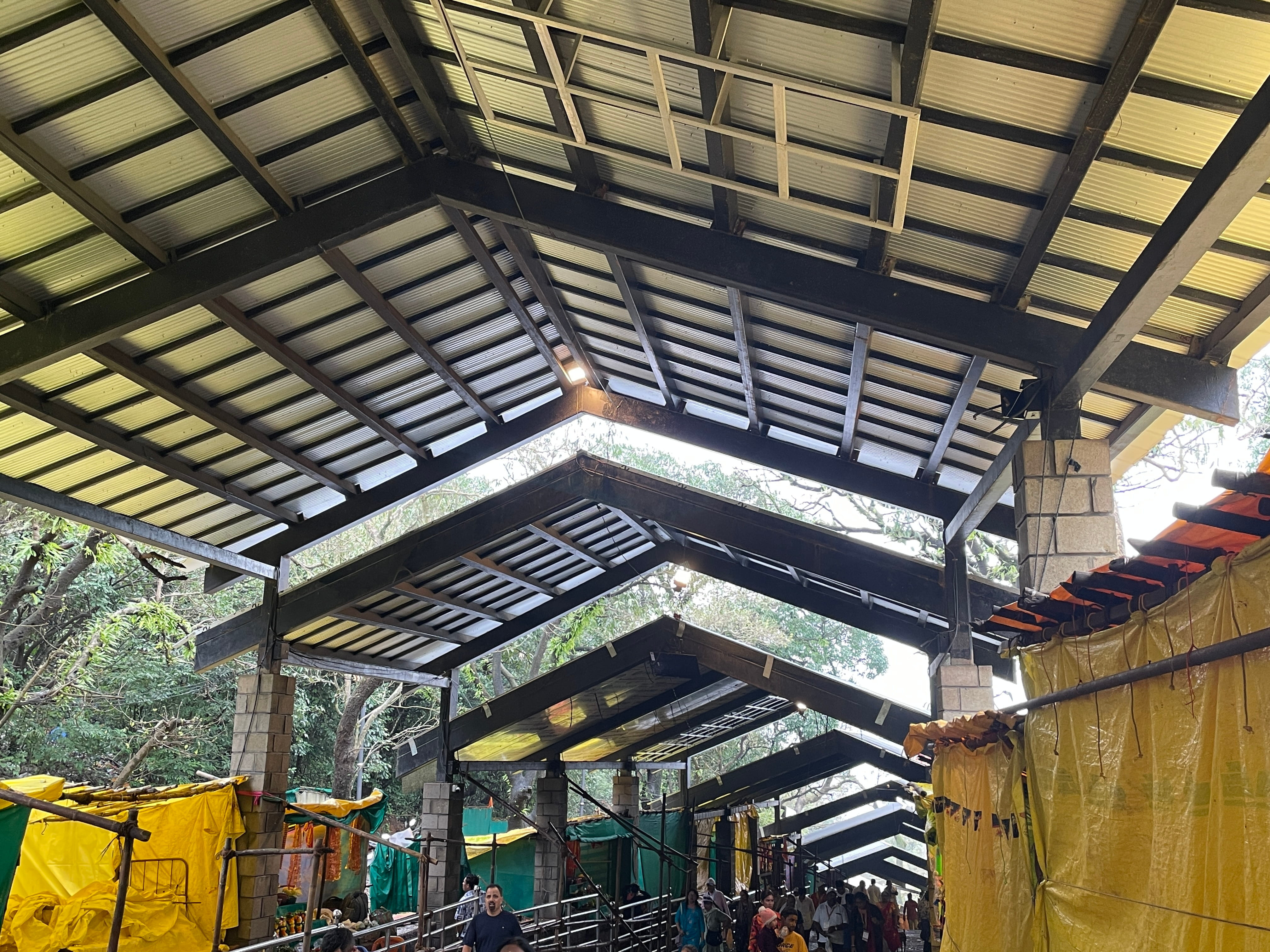
The following morning, we revisited Shreemant Dagdusheth Halwai Ganpati, experiencing its calm daytime ambience away from the previous night’s neon displays. We continued our circuit to several local mandals, including Kumthekar Road and the innovative Grahak Peth Ganpati crafted out of biscuits. After enjoying a hearty breakfast at Pune’s iconic Wadeshwar, we took a spontaneous drive into the Western Ghats toward Bhimashankar Jyotirlinga. The mist-clad forests provided a tranquil spiritual contrast to the bustling city pandals.
We returned to Pune by dusk to attend the intimate Gauri Puja at our relatives’ ancestral home. Observing the traditional welcoming of Gauri alongside Bappa offered a gentle, private close to our whirlwind pilgrimage. In total, we experienced over twenty-five Ganpati pandals and a sacred Jyotirlinga without a rigid itinerary. There is a Marathi proverb that sums up our voyage: “Aapan fakta nimittamātra”—we are merely instruments, for the true doer is Bappa.
What cherished memories and family rituals define your own Ganeshotsav celebrations? Share your personal stories and favourite pandal experiences with us in the comments below!
Summary
In 2024, Bappa finally called. Over three days, we completed more than twenty-five Ganesh darshans across Mumbai and Pune — from a peaceful early-morning darshan of Lalbaug cha Raja, to the five Maanache Ganpati of old Pune, Dagdusheth, Gauri pujan at a family home, and the Bhimashankar Jyotirlinga. A trip down memory lane, one darshan at a time.
२०२४ में बाप्पा ने अंततः बुलाया दिया। तीन दिनों में हमने मुंबई और पुणे में पच्चीस से अधिक गणपति दर्शन किए — पहाड़ के पहाड़ लालबाग चा राजा के शांतिपूर्ण दर्शन से लेकर पुणे के पाँच मानाचे गणपति, दगडूशेठ, परिवार के घर में गौरी पूजन और भीमाशंकर ज्योतिर्लिंग तक। कुछ यात्रा योजना से बनी, पर असली निमित्त बाप्पा ही थे।
२०२४ साली बाप्पाने शेवटी हाक दिली. तीन दिवसांत आम्ही मुंबई आणि पुण्यात एकूण पंचवीसाहून अधिक गणपती दर्शने केली — पहाटेच्या पहाटे लालबाग चा राजा च्या शांत दर्शनापासून, पुण्याच्या पाच मानाच्या गणपतींपर्यंत, दगडूशेठ, घरगुती गौरी पूजन आणि भीमाशंकर ज्योतिर्लिंगापर्यंत. प्रवास आखला होता, पण खरा निमित्तमात्र बाप्पाच.