A reflective walk through Ahmedabad’s old city pols, temples, mosques, and heritage streets—capturing architecture, culture, and personal memories from March 2011.
Summary :
This blog recounts a personal experience of the Ahmedabad Old City Heritage Walk in March 2011. From Swaminarayan Temple to Jama Masjid and Sidi Saiyyed Jali, it explores pol architecture, multicultural neighbourhoods, and Gujarati cuisine. The walk reflects Ahmedabad’s living heritage and urban memory.
सारांश :
यह ब्लॉग मार्च 2011 में अहमदाबाद ओल्ड सिटी हेरिटेज वॉक के व्यक्तिगत अनुभव को साझा करता है। इसमें स्वामीनारायण मंदिर, पोल वास्तुकला, जामा मस्जिद और सिद्दी सैय्यद जाली जैसे ऐतिहासिक स्थलों का वर्णन है। यह लेख अहमदाबाद की सांस्कृतिक विविधता और जीवंत विरासत को दर्शाता है।
Late March 2011 was a transitional moment in our lives. I had just graduated from IIM Ahmedabad, and we had a few days left on campus before relocating to NCR. With time on our hands and nostalgia already creeping in, a group of classmates and spouses decided to explore Ahmedabad beyond the familiar IIM campus. That decision led us to one of the most immersive urban cultural experiences I have had in India—the Ahmedabad Old City Heritage Walk. My spouse belongs to Gujarat and had stayed in this city for 2 years but this walk came as a pleasant surprise to her as well.
Why the Ahmedabad Old City Heritage Walk Is a Must-Do Experience
Ahmedabad is a city with dual identities. On one side of the Sabarmati lies modern Ahmedabad with its universities, business districts, and planned neighbourhoods. On the other side lies the old city—dense, chaotic, and layered with centuries of history. We were advised not to drive into the old city because of narrow lanes and limited parking. So we hired autos—eight to ten of us—and crossed to what locals casually call “pool (bridge) ne paar.” That short ride itself felt symbolic, like stepping from the present into the past.
Meeting Ankita: A Student of History Turned Storyteller
Our guide that morning was Ankita Vasavda, a history student who conducted tours on weekends. She was articulate, passionate, and deeply invested in Ahmedabad’s layered identity. Instead of dry facts, she narrated stories—of kings, merchants, communities, and everyday people who shaped the city. We got to know from her that this famed Heritage Walk had been organised by the Ahmedabad Municipal Corporation since November 1997 and takes visitors through the architectural splendour and cultural diversity of this 600-year-old city. It was immediately clear that this was not a tourist checklist walk. It was a curated journey through a living, breathing city at a pocket-friendly price.
Starting Point: Swaminarayan Temple and Hindu Architectural Roots
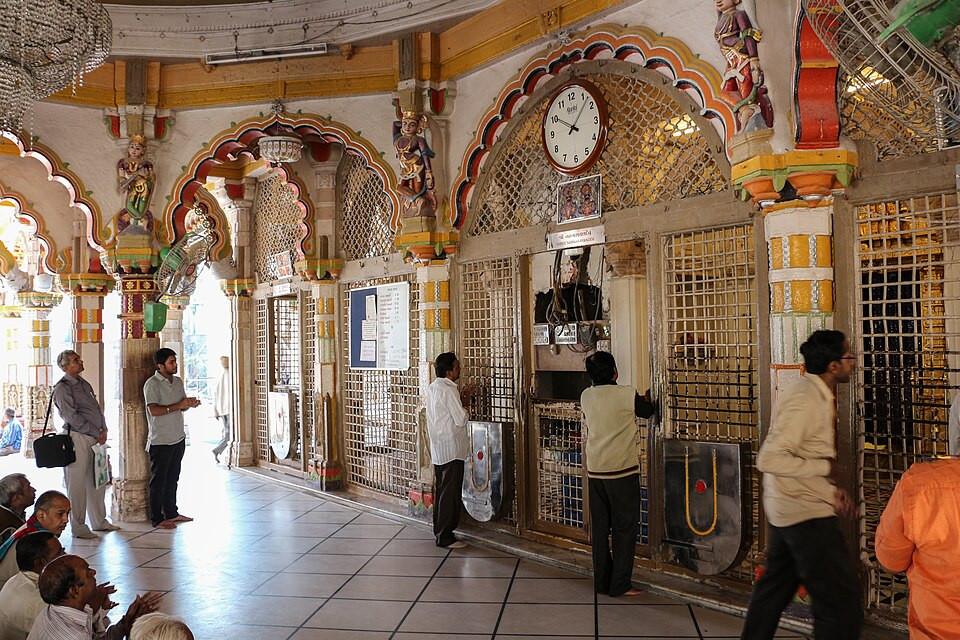
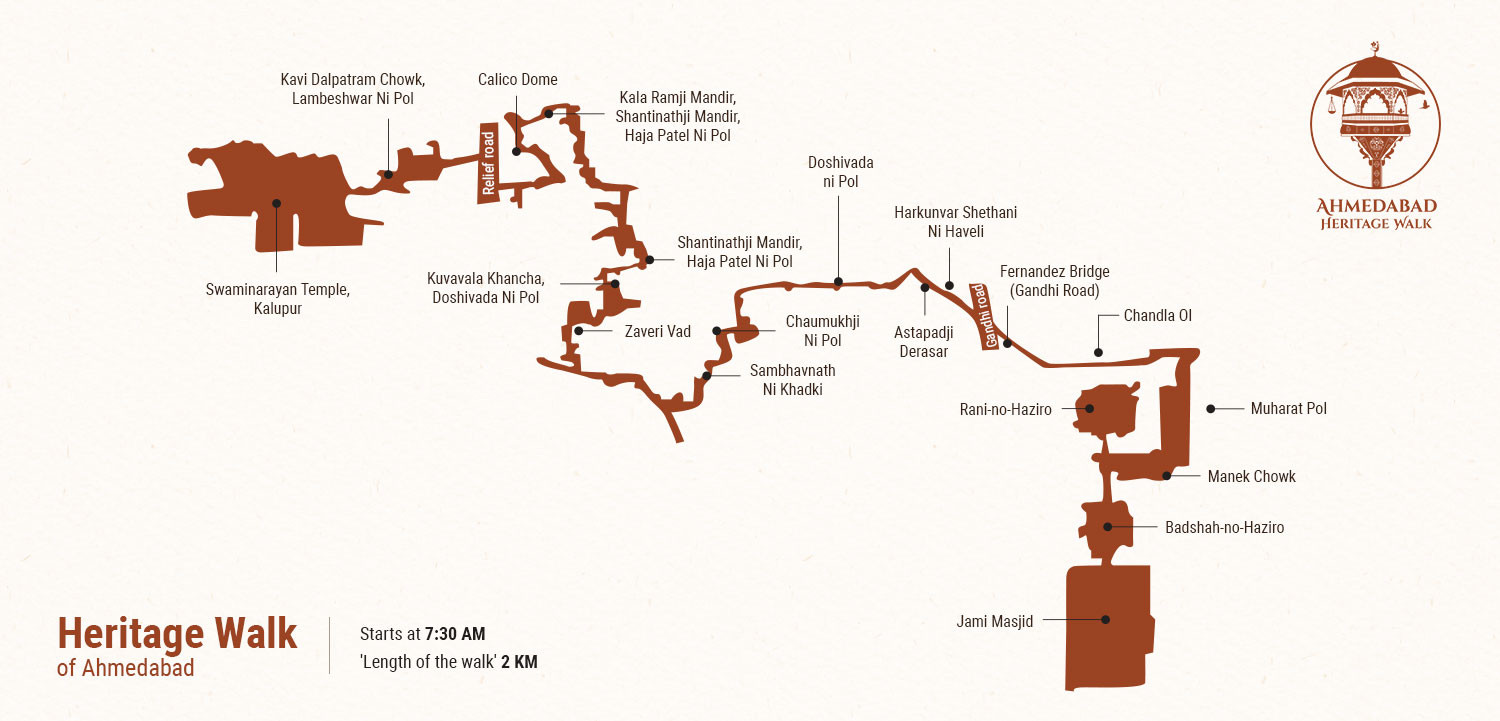
The heritage walk starts at the Swaminarayan Temple in Kalupur early in the morning and covers around 2 km with approximately 20 heritage points. Built in 1822 by Lord Swaminarayan on land gifted by the British Imperial Government, the temple complex greeted us with an opulent gateway. The structure itself is an eclectic mix of painted woodcarvings and colourful brackets with a profusion of carved teakwood. The temple itself is a powerful symbol of Hindu architectural and community life. Ankita explained how early Hindu rulers shaped Ahmedabad’s spatial design, temples, and public spaces.
Through the Pols: Living History
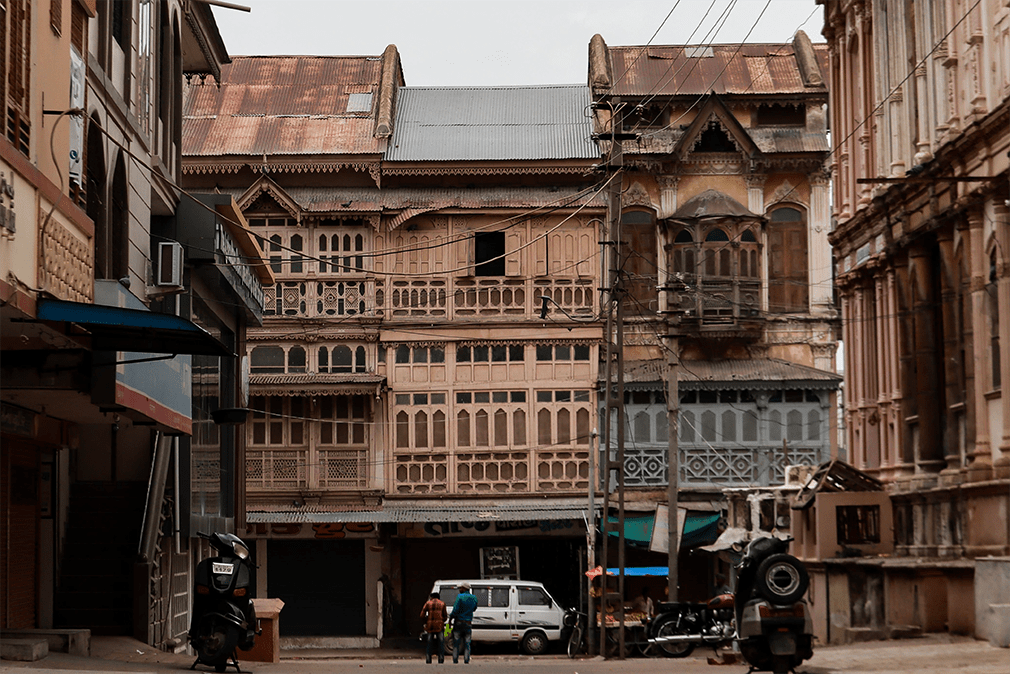
The heart of our heritage walk lay in exploring the pols—unique gated housing clusters that are accessed through a single entrance. Derived from the Sanskrit word Pratoli (meaning gate), these pols were built between 100 to 300 years ago by communities linked through caste, culture, or profession.
Each pol had its own entry gate that would be shut at night and secret exit passages for emergencies during attacks. Ankita led us first to Kavi Dalpatram Chowk, named after a well-known Gujarati poet. The platform here is used for performances and poetry recitals on special occasions. We then walked through Haja Patel Ni Pol, where narrow lanes were lined with two- and three-storey houses featuring overhanging balconies.
Architectural Marvels
In a lane called Kuvavala Khancha, we witnessed a fascinating display of architectural evolution. Each façade bore elements of Persian, Mughal, Maratha, and European architecture, reflecting the respective periods in which they were built. We passed the magnificent Harkuvarba Shethani Ni Haveli, a 92-year-old structure that was still partially occupied at the time. The architecture throughout the pols told stories of Ahmedabad’s diverse cultural heritage—Hindu temples, Jain derasars, and Islamic structures existing side by side.
The best part is these were not museum structures. People live there, children play there, and daily life unfolds amidst centuries-old architecture.
Jain Derasars and the Layered Religious Landscape
One of the most striking aspects of Ahmedabad is the visible Jain influence. We visited a couple of Jain derasars hidden within residential pols. These structures were modest from the outside but exquisitely detailed inside. Ahmedabad’s identity has always been pluralistic—Hindu, Jain, and Islamic influences coexisting, often within walking distance of each other.
Pol Architecture: Community-Centric Urban Design
The pol houses were the highlight for me. Wooden jharokhas, bird feeders (chabutras), secret passages, and shared courtyards revealed how architecture supported community living and security. Ankita explained how these lanes were designed to protect residents during invasions and how shared wells and temples fostered social cohesion. It felt like an early model of sustainable, community-driven urban design. We stopped at Manek Chowk and the Calico Dome before continuing through the markets for artefacts. We also walked through Rani no Hajero, now a market for women’s clothing, jewellery, and traditional garba attire.
Jama Masjid and Bhadra Kali Temple
-masjid/Jama-(Jumma)-Masjid-1.jpg)
The walk culminated near Jama Masjid, one of Ahmedabad’s most iconic Islamic monuments. It was built in 1424 by Ahmed Shah I and defined what is now termed Gujarati architectural style. From there, we walked to the Bhadra Kali Temple in the Bhadra area. Taking darshan of Ma Bhadra Kali felt grounding after hours of walking through history. The proximity of a grand mosque and a major Hindu temple beautifully captures Ahmedabad’s syncretic heritage.
Sidi Saiyyed Jali: Emotionally Iconic for IIM Ahmedabad Alumni
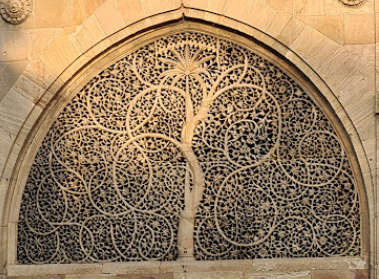
A short walk away stands the Sidi Saiyyed Jali, famous for its intricate stone latticework. This jali is also the logo of IIM Ahmedabad, making it emotionally significant for all of us who had spent transformative years at the institute.
Gujarati Thali at Agashye: Ending on a Culinary High
After the walk, we headed to House of MG, a heritage hotel in the old city just opposite the Jali. Their terrace restaurant, Agashye—Gujarati word for “terrace”—serves one of the best Gujarati thalis in the city. Sitting under a covered terrace, eating traditional Gujarati dishes after a heritage walk felt like the perfect cultural immersion.
Why You Should Do the Ahmedabad Old City Heritage Walk Today
Even today, the Ahmedabad Old City Heritage Walk remains one of the best curated urban heritage experiences in India. Ahmedabad was recognised as India’s first UNESCO World Heritage City in 2017. If you are visiting Ahmedabad, this walk is not optional—it is essential.
Final Reflections: A Walk Through Memory and Identity
For me, this walk is tied to a personal milestone—the end of student life and the beginning of a professional journey. It teaches you that cities are not just concrete and traffic; they are living organisms shaped by people, beliefs, and shared memories.
FAQ: Ahmedabad Old City Heritage Walk
How long and how far do we actually walk?
About 2½ hours, covering roughly 2 km at a gentle pace with 20 heritage stops.
Where do we start and finish?
We meet inside the Swaminarayan Temple, Kalupur, and end near Jama Masjid or Manek Chowk—both a short auto-rickshaw ride back to your hotel.
Is the route child- and senior-friendly?
Yes, if they’re steady on uneven 18th-century lanes. Groups are small so the guide can adjust speed; strollers aren’t practical.
Do I need to book ahead?
Advance booking is essential—walks fill quickly, especially on weekends and festival days. Call or stop by the Tourist Help Counter the day before.
What should I carry?
Comfortable walking shoes, a water bottle, modest clothing for temple entry, and a small torch if you’re on the 7 a.m. winter slot.
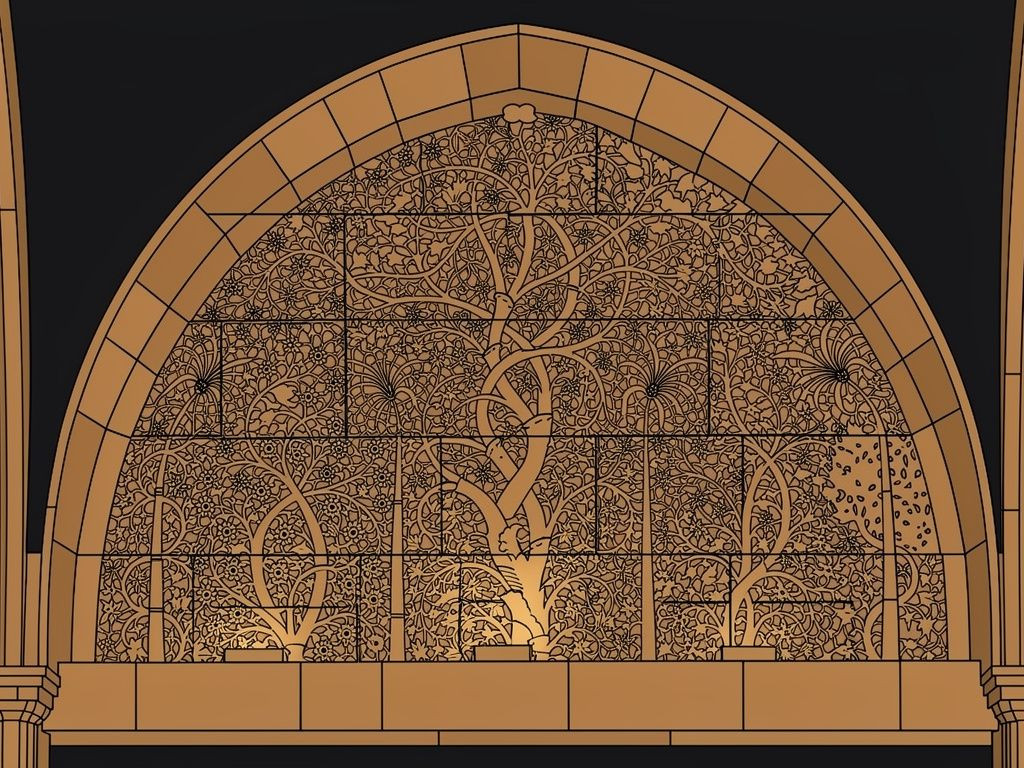
Table of Contents
- Why the Ahmedabad Old City Heritage Walk Is a Must-Do Experience
- Meeting Ankita: A Student of History Turned Storyteller
- Starting Point: Swaminarayan Temple and Hindu Architectural Roots
- Through the Pols: Living History
- Jain Derasars and the Layered Religious Landscape
- Pol Architecture: Community-Centric Urban Design
- Jama Masjid and Bhadra Kali Temple: A Cultural Confluence
- Sidi Saiyyed Jali: Emotionally Iconic for IIM Ahmedabad Alumni
- Gujarati Thali at Agashye: Ending on a Culinary High
- Why You Should Do the Ahmedabad Old City Heritage Walk Today
- Practical Tips for Doing the Heritage Walk
- Final Reflections: A Walk Through Memory and Identity
- FAQ: Ahmedabad Old City Heritage Walk
Have You Done the Ahmedabad Heritage Walk?
Have you explored the Ahmedabad Old City Heritage Walk or walked through historic pols in India? Or, have you done the night walk? Share your experiences, tips, or favourite memories in the comments.
This post on “Ahmedabad Old City Heritage Walk” was published under category “Travelbugs” and last updated January 24, 2026.