The Golden bird is a story from one of the lives of the Bodhisatta (Bodhisatta) and teaches us that greed is bad. This story is also known as The Golden Mallard and is similar to the tale of the Golden Serpant and also the Hen That Lay The Golden Egg. The moral of the story is that one should not be greedy and accept what one receives in life with happiness.
You can listen to the story The Golden Bird by clicking below
Alternate Version- The Golden Swan
This is a story from the Jataka tales that teaches us that greed is bad. The story is as follows:
A swan that has golden feathers wants to help a poor family by giving one of its golden feathers every day. The head of the family, an old woman, sells the feather and gets money to keep them in comfort. Over time, the woman gets greedy and tells her daughters that the swan cannot be trusted – it could fly away and the family’s only source of income would go away. What does she do to overcome hear fears?
Listen to this story to learn more. This story is similar to the Hen that lay a Golden Egg from Aesop’s Fables, or the Gold Giving Serpant that was previously published on Baalgatha podcast.
You can subscribe to this podcast on Apple Podcasts, Google Podcasts, Stitcher, Saavn, Spotify,Castbox, Radio Public, and many other fine websites and apps where you listen to podcasts.
Listen to the story- The bird with Golden Dropping
Read the story about the Golden Bird
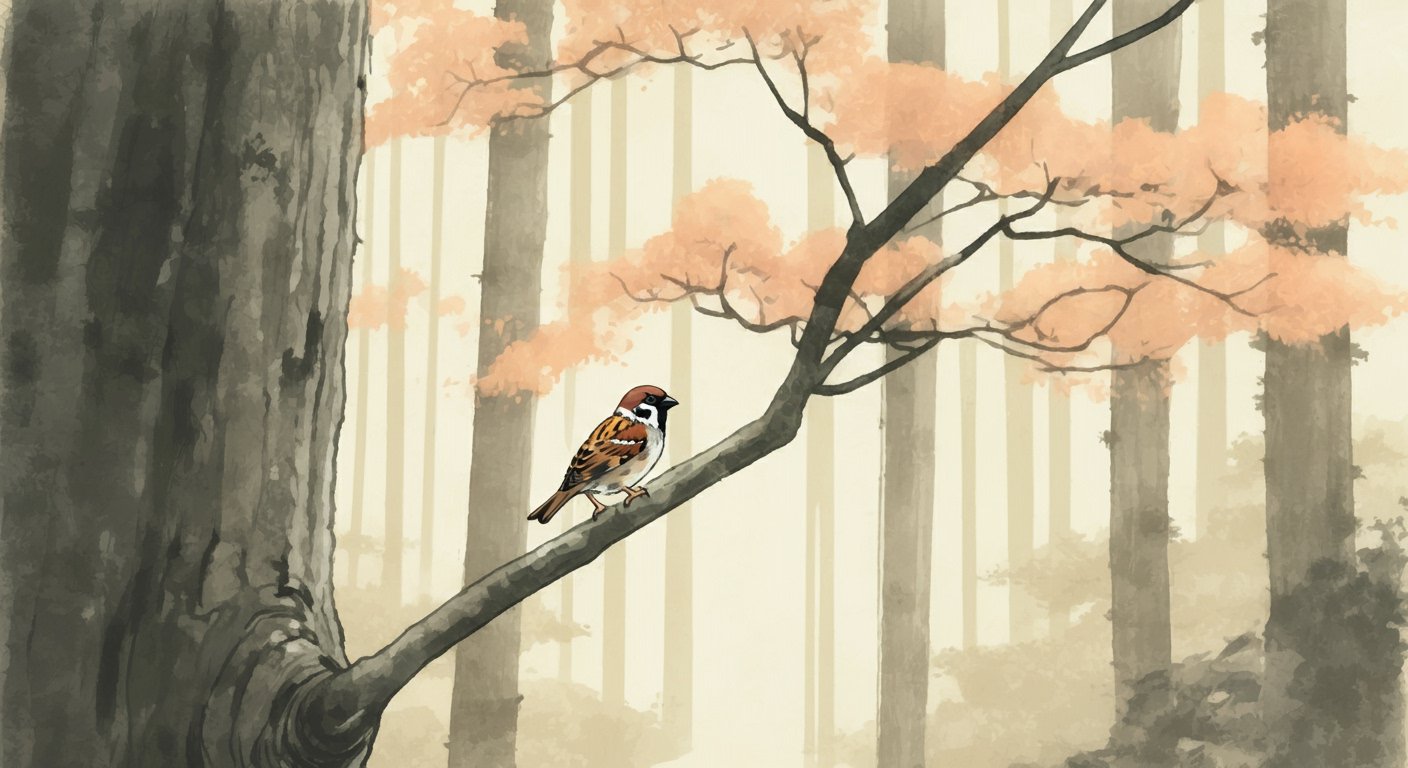
Once upon a time when Brahmadatta was reigning in Benares, the Bodhisatta was born a Brahmin, and growing up was married to a bride of his own rank, who bore him three daughters named Nanda, Nanda-vati, and Sundari-nanda. The Bodhisatta dying, they were taken in by neighbors and friends, whilst he was born again into the world as a golden mallard endowed with consciousness of its former existences.
Growing up, the bird viewed its own magnificent size and golden plumage, and remembered that previously it had been a human being. Discovering that his wife and daughters were living on the charity of others, the mallard bethought him of his plumage like hammered and beaten gold and how by giving them a golden feather at a time he could enable his wife and daughters to live in comfort. So away he flew to where they dwelt and alighted on the top of the central beam of the roof. Seeing the Bodhisatta, the wife and girls asked where he had come from; and he told them that he was their father who had died and been born a golden mallard, and that he had come to visit them and put an end to their miserable necessity of working for hire.
“You shall have my feathers,” said he, “one by one, and they will sell for enough to keep you all in ease and comfort.”
So saying, he gave them one of his feathers and departed. And from time to time he returned to give them another feather, and with the proceeds of their sale these Brahmin women grew prosperous and quite well to do.
But one day the mother said to her daughters, “There’s no trusting animals, my children. Who’s to say your father might not go away one of these days and never come back again? Let us use our time and pluck him clean next time he comes, so as to make sure of all his feathers.”
Thinking this would pain him, the daughters refused.
The mother in her greed called the golden mallard to her one day when he came, and then took him with both hands and plucked him.
Now the Bodhisatta’s feathers had this property that if they were plucked out against his wish, they ceased to be golden and became like a crane’s feathers. And now the poor bird, though he stretched his wings, could not fly, and the woman flung him into a barrel and gave him food there. As time went on his feathers grew again (though they were plain white ones now), and he flew away to his own abode and never came back again.
Last updated: September 12, 2026 at 8:06 am